



Agricultural operations demand reliable machinery that can withstand seasonal pressures while delivering consistent performance across varying field conditions. For many farming enterprises, particularly those managing mid-sized operations or expanding their planting capabilities, acquiring pre-owned seeding machinery represents a strategic financial decision. The market for reconditioned agricultural equipment has matured considerably, offering farmers access to well-maintained implements at substantially reduced capital outlay compared to new models. Understanding the nuances of equipment selection, condition assessment, and operational compatibility ensures that investments deliver long-term value rather than becoming costly maintenance burdens.
Evaluating Machinery Condition and Service History
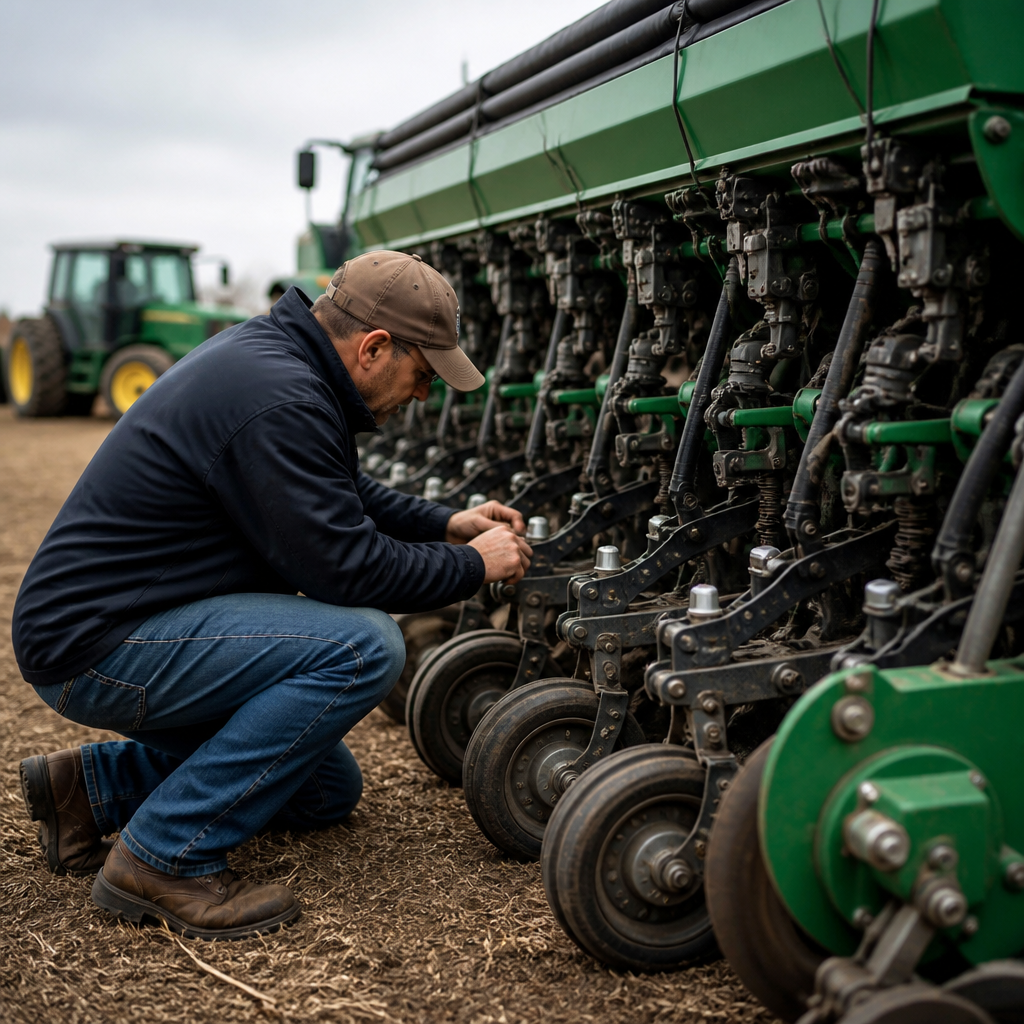
When farmers explore options for expanding their planting capacity, thorough evaluation of equipment condition becomes paramount. The used seed drill market presents diverse options spanning various makes, models, and operational hours, making comprehensive assessment critical before purchase. When searching for a used seed drill for sale, experienced operators prioritize documented maintenance records, visible wear patterns on metering systems, and the structural integrity of frames and mounting components. These factors directly influence both immediate operational reliability and projected lifespan under working conditions.
Service documentation provides insight into how previous owners maintained the equipment throughout its operational life. Complete records showing regular lubrication, timely replacement of wear components, and professional servicing indicate machinery that has been properly cared for. Conversely, gaps in maintenance history or evidence of deferred repairs should raise concerns about potential hidden issues. Physical inspection should focus on seed metering mechanisms, which experience the most wear during operation, along with disc openers, depth control systems, and hydraulic components that govern down pressure and ground following capabilities.
Matching Equipment Specifications to Operational Requirements
Successful equipment acquisition extends beyond finding functional machinery at acceptable pricing. The implement must align with existing tractor capabilities, field characteristics, and crop rotation patterns specific to each operation. Row spacing configurations, hopper capacity, and overall working width should complement the scale and layout of fields being planted. Undersized equipment creates bottlenecks during critical planting windows, while oversized implements may prove unwieldy in smaller fields or require tractor power beyond what the operation possesses.
Seed delivery systems vary significantly across different drill designs, with some utilizing air-powered distribution while others rely on gravity-fed metering. Each approach offers distinct advantages depending on seed types, planting rates, and terrain conditions. Operators working with no-till or minimum tillage systems require drills equipped with coulters capable of cutting through residue and penetrating undisturbed soil profiles. Understanding these technical requirements before beginning the equipment search prevents costly mismatches between machinery capabilities and operational needs.
Structural Durability and Environmental Resistance
Agricultural machinery faces continuous exposure to challenging environmental conditions that accelerate material degradation. Frame construction, component materials, and protective coatings all influence equipment longevity. Modern agricultural implements increasingly incorporate materials selected for their resistance to corrosion and environmental stress. For instance, aluminium components offer advantages in outdoor applications due to their natural resistance to moisture-related deterioration, though steel remains the primary structural material for most heavy-duty agricultural frames due to strength requirements.
When examining used equipment, particular attention should be directed toward areas where moisture accumulates or where soil contact creates abrasive wear. Hopper interiors, seed tubes, and ground-engaging components show wear patterns that reveal both usage intensity and maintenance quality. Surface rust on steel components is common and often cosmetic, but structural corrosion around welds, mounting points, or load-bearing members indicates more serious degradation that may compromise operational safety and longevity.
Financial Planning and Total Ownership Considerations
The economic advantage of purchasing used seeding equipment stems from substantial depreciation that occurs during the first years of machinery life. Well-selected used implements can provide 70-80% of their original operational life at 40-50% of new equipment costs, creating compelling value propositions for operations managing capital constraints. However, this calculation must incorporate realistic projections of maintenance costs, parts availability, and potential downtime during critical planting periods.
Financing options for used agricultural equipment have expanded considerably, with specialized lenders offering terms structured around seasonal cash flow patterns typical in farming operations. Some dealers provide warranty coverage on reconditioned equipment, adding protection against unexpected repair costs during initial seasons of operation. These financial instruments should be evaluated alongside equipment pricing to determine true cost of ownership over the anticipated service life.
Regulatory and Transport Logistics
Agricultural equipment acquisition involves practical considerations beyond the purchase transaction itself. Transportation of large implements requires proper planning, particularly when equipment exceeds standard road width or weight limits. Farmers should familiarize themselves with regulations governing farm machinery transport to ensure compliance with legal requirements and avoid penalties. Some dealers include delivery services, while private purchases typically require buyers to arrange collection and transport independently.
Insurance considerations also merit attention, as comprehensive farm equipment policies should be updated to reflect new acquisitions. Lenders financing equipment purchases typically require proof of adequate insurance coverage protecting their collateral interest. Beyond regulatory compliance, proper documentation and transport planning prevent damage during equipment movement and ensure machinery arrives ready for pre-season preparation and field deployment.
HR AgriPower: Supporting Agricultural Equipment Needs
Agricultural equipment specialists serve essential roles connecting farming operations with machinery suited to their operational requirements. Established dealers provide curated selections of used implements that have undergone inspection and reconditioning processes, offering buyers greater confidence compared to private sales. These businesses maintain parts inventories and service capabilities that extend equipment operational life, creating ongoing relationships beyond initial purchase transactions. Their expertise in equipment valuation, condition assessment, and specification matching helps farmers navigate complex purchasing decisions while avoiding common pitfalls that plague inexperienced buyers in the used machinery market.
Making Informed Equipment Investment Decisions
Successful acquisition of used seeding equipment requires balancing multiple factors including immediate budget constraints, operational compatibility, condition assessment, and long-term value retention. Farmers who invest time in thorough evaluation, seek expert guidance when needed, and maintain realistic expectations about used equipment capabilities consistently achieve positive outcomes. The used agricultural machinery market rewards informed buyers while penalizing those who prioritize initial cost savings over comprehensive quality assessment. By approaching equipment acquisition as a strategic investment rather than a simple purchasing transaction, agricultural operations position themselves for enhanced productivity and sustained operational efficiency across multiple growing seasons.
