



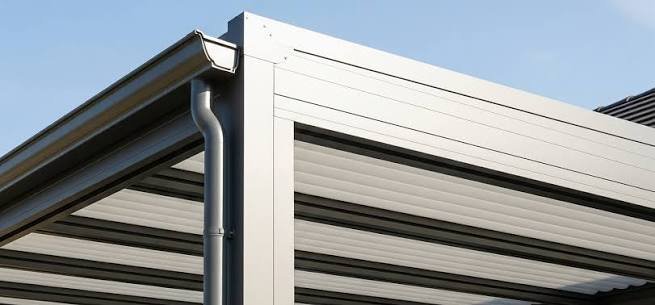
Outdoor structures take a beating from heat, rain, humidity, and intense UV rays on a daily basis. That being the case, if you want your deck, pergola, or patio to deal with these conditions effectively, choosing the right construction materials is a must. The right materials are what separate structures that last decades from those that see problems within a few years.
In recent years, aluminium has become the go-to choice for residential and commercial outdoor structures. If you’re looking for aluminium structures built to perform and last, Spanmor is the place for you. In this post, let’s take a look at how aluminium beams handle the exposure to the elements.
How Does Moisture Affect Outdoor Building Materials?
For outdoor structures, moisture is one of the most prominent forces acting against them. Repeated exposure to rain and humidity causes conventional materials to deteriorate over time. Timber rots and decays, untreated steel corrodes, and materials that absorb moisture swell, warp and crack.
When it comes to construction material, aluminium stands above the rest. It doesn’t absorb water the way timber does, so it doesn’t rot. It doesn’t absorb water, nor does it crack under heat. Less moisture interaction means less deterioration, which translates to less maintenance and longer-lasting outdoor structures.
Why Aluminium Beams Resist Corrosion
Aluminium beams are resistant to corrosion. That’s because when aluminium is exposed to oxygen, it forms a thin, protective aluminium oxide layer. This layer acts as a barrier, helping protect the underlying metal from further oxidation. The oxidation reaction happens without any coating or treatment.
Steel, by comparison, must rely on protective clothing to resist rust. Once the coating starts to get scratched or chipped, the exposed metal surface can start to develop rust. However, it is worth pointing out that aluminium is not completely immune to corrosion, but the protections required are comparatively fewer.
How Aluminium Handles Rain, Humidity and Wet Conditions
In practical terms, aluminium is one of the materials that is most consistent in wet conditions. Unlike timber, it doesn’t rot, swell, or decay, even under prolonged exposure. This makes aluminium an excellent choice for decking frames, pergolas, patio structures, and other outdoor architectural frameworks, especially in coastal areas and high-humidity climates.
Aluminium Beams and Extreme Weather Exposure
Sun and UV Exposure
Aluminium itself holds well under harsh sunlight, but surface finishings and coatings can lose their effectiveness over time. So it’s worth looking into applying the right finish to keep the appearance of aluminium structures.
Temperature Changes
Like most materials, aluminium expands and contracts with temperature changes. This is normal and manageable, especially when engineers take into account the thermal movement during the design and construction process.
Wind and Storm Conditions
Aluminium structures handle wind and storm conditions really well because they offer a high strength-to-weight ratio. This means strong systems can withstand high pressures, ranging from 1.0 kPa for basic inland areas up to 3.5 kPa or more for extreme storm and cyclone zones. As mentioned above, the self-healing oxide layer of aluminium is a good natural defence.
Aluminium vs. Timber: What Performs Better Outdoors?
Since these are the two most common construction materials seen in outdoor structures, let’s compare based on their characteristics.
- Moisture resistance – Aluminium has high moisture resistance, while the moisture resistance of wood depends on the type of wood and the treatment used.
- Rot resistance – Aluminium does not rot. On the other hand, wood does rot, but untreated wood will rot faster.
- Termite resistance – Aluminium is completely resistant to termites. Timber is vulnerable to termites and requires treatment to keep it safe.
- Warping – Aluminium is generally resistant to warping, while wood can warp and swell.
- Maintenance – Aluminium is relatively low maintenance, while wood requires constant maintenance.
For homeowners looking for a modern aesthetic with low-maintenance options, aluminium is the way to go. On the other hand, if you’re looking for a more rustic look and are ready to deal with regular maintenance, timber is the way to go. Something else worth noting is that aluminium has a higher initial cost. However, maintenance costs will be low. Timber has low initial costs, but the constant maintenance costs can quickly add up.
How to Maximise the Lifespan of Aluminium Structures
As a homeowner, builder, or contractor, getting the most out of your aluminium structures comes down to a few practical steps.
- Choose the right aluminium profiles for your construction
- Ensure correct installation and structural detailing from the start
- Use proper fasteners and connections (mixed materials can create weak points in the structure).
- Prevent water and dust from being trapped in the joints
- Periodically check and clean exposed surfaces to maintain appearance.
- Select the appropriate protective finishes suitable for the environment.
- Work with experienced professionals like Spanmor Aluminium to source materials and build your structures.
Conclusion
Considering everything, aluminium beams offer better moisture and corrosion resistance, as well as lower maintenance costs and consistent long-term performance. That’s why many households and commercial buildings are switching to aluminium for their outdoor constructions.
Planning to build an outdoor aluminium structure? Contact Spanmor today! From subfloor systems to pergolas, our team builds aluminium structures that are built to perform, last, and maximise their value.

1 Comment
Pingback: Essential Considerations When Investing in Pre-Owned Seeding Equipment - Weekly Business Records