



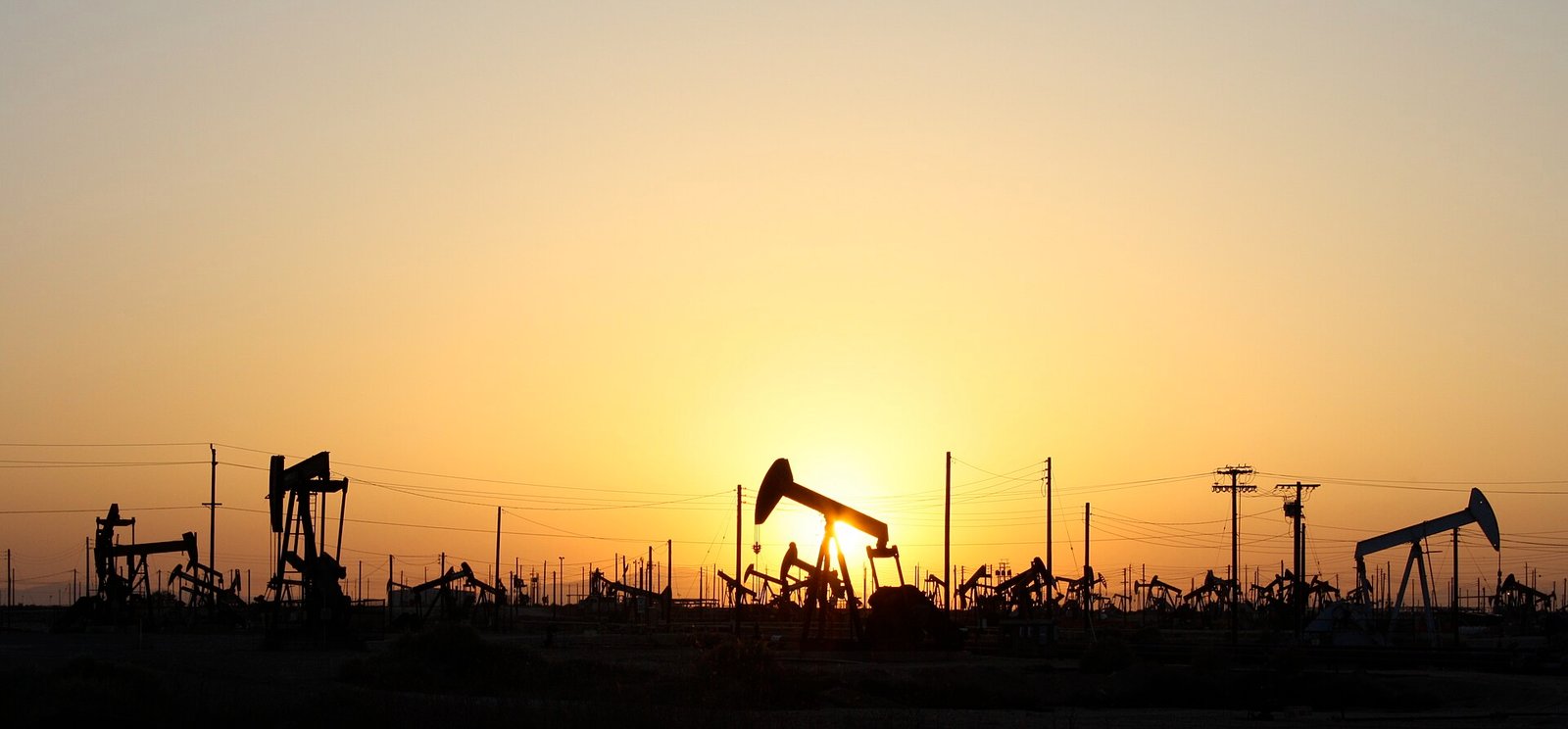
Dutch Disease sounds like a medical condition, but economists use the term for a paradox: a country strikes oil, gas or valuable minerals, money floods in — and other parts of the economy end up weaker. Understanding the mechanism helps explain why some resource-rich countries diversify successfully while others become dangerously dependent on a single export.
The name dates to the Netherlands in the 1960s, after large natural gas discoveries in the North Sea. Gas revenues strengthened the Dutch currency, and as the guilder rose, Dutch manufactured goods became more expensive abroad. Exporters outside the booming energy sector lost competitiveness, factories shed orders, and the economy became more exposed to energy prices.
The two effects behind the problem
Economists usually describe two linked effects. The first is the exchange-rate effect: resource exports bring in foreign currency, demand for the local currency rises, and its value climbs. A stronger currency is pleasant for holidaymakers and importers, but painful for farmers, manufacturers and tourism businesses selling to the world in their home currency.
The second is the resource-movement effect. The booming sector bids up wages and attracts workers, engineers and investment away from other industries. Even services that never export — construction, retail, public administration — can find costs rising because they compete for the same labour and land as the resource boom. When the boom fades, the hollowed-out sectors cannot bounce back overnight; skills, supplier networks and customer relationships take years to rebuild.
Reference explainers from institutions such as the International Monetary Fund make the same point: the windfall itself is not the disease. The disease is spending it in ways that permanently raise costs and narrow the economy. Our finance coverage, including this analysis of large-scale investment cycles, returns often to that distinction between a temporary surge and durable capacity.
Examples beyond the Netherlands
Venezuela is the cautionary tale most often cited: decades of oil dependence left other exports uncompetitive, so when oil prices fell, there was little else to sustain incomes or public finances. Nigeria has faced a milder version, with oil dominating exports and government revenue while agriculture and manufacturing underperformed their potential. By contrast, Norway channelled petroleum income into a sovereign wealth fund, spent cautiously under a fiscal rule, and deliberately protected the competitiveness of its non-oil economy.
Chile, heavily dependent on copper, created stabilisation funds to smooth spending across price cycles, saving in boom years and drawing down in slumps. Botswana’s management of diamond revenues is frequently praised for similar discipline. The common thread is institutions built before — or early in — the boom, because rules invented after money starts flowing are far harder to enforce politically.
What governments can do
The standard toolkit includes saving a share of revenues abroad in a sovereign wealth fund, which also keeps the currency from overheating; smoothing public spending so it does not spike with commodity prices; investing windfalls in education, infrastructure and other sectors that raise productivity broadly; and maintaining transparent budgets so citizens can see how resource money is used.
Businesses can apply the same logic at firm level, as explored in our recent business reporting on banking and technology: a single lucrative contract or product line can quietly starve the rest of a company of talent and attention. Diversification feels inefficient during a boom, which is exactly when it is cheapest to buy.
Investors watch for the same symptoms at country level: a currency that rises mainly on commodity sales, imports that surge while local factories shrink, and government budgets that only balance at high resource prices. When those signs appear together, sovereign ratings and borrowing costs often follow the commodity cycle, making downturns deeper and recoveries slower than they need to be.
Dutch Disease is therefore not an argument against developing natural resources. It is an argument for treating a windfall as temporary, protecting exporters outside the boom, and converting finite underground wealth into lasting assets above ground — skills, infrastructure and institutions. Countries that do that turn a lucky strike into broad prosperity; countries that do not discover that the boom was the easy part.
