



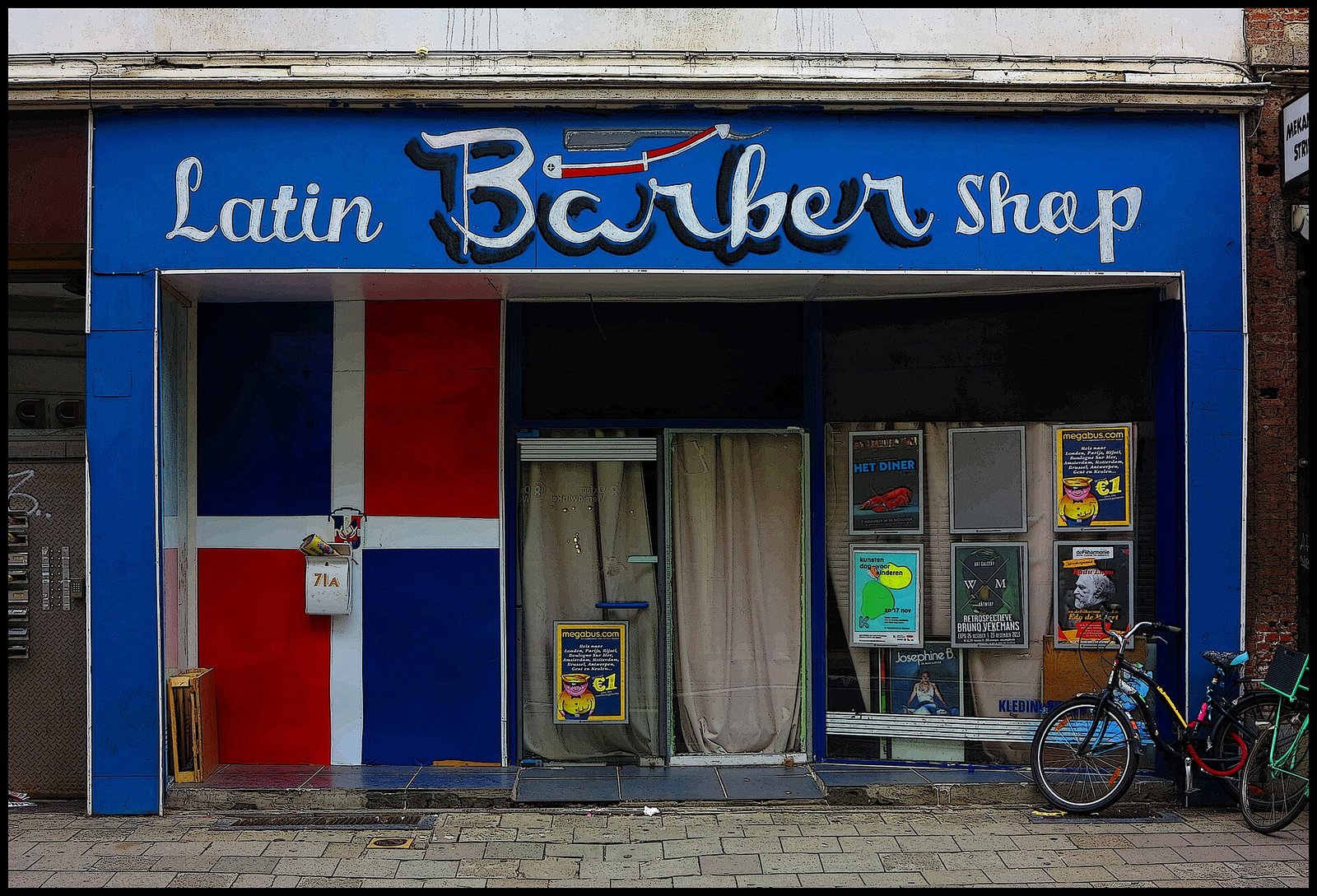
New York’s small businesses — the delis, salons, repair shops, cafés and independent retailers that give the city its character — are being squeezed from several directions at once. Owners describe the same four pressures in neighbourhood after neighbourhood: rising rents, higher labour costs, more expensive insurance, and foot traffic that has never fully returned to its old patterns.
None of these pressures is new on its own. What makes the current moment difficult is that they are arriving together, while the cushion of pandemic-era support has long gone and customers, themselves facing higher prices, are spending more cautiously. A business can absorb one cost increase by raising prices slightly or trimming hours; absorbing four at once is a different problem.
Rents and the lease cliff
Commercial rents reset in steps, not smoothly. Many owners signed leases when conditions were very different, and renewals now come with sharply higher asking rents, plus clauses passing through property taxes and building costs. For a thin-margin business, a rent increase of a fifth can erase profit entirely, yet moving means losing the local customer base that took years to build — and paying for a new fit-out at today’s construction prices.
Labour, insurance and everyday costs
Owners broadly accept that staff deserve decent pay, and many raised wages voluntarily to keep experienced workers in a tight labour market. The difficulty is arithmetic: wage bills, payroll charges and scheduling rules interact, so the true cost per hour rises faster than the headline rate. Insurance has become the quiet shock — liability, property and delivery-related premiums have climbed steeply, sometimes doubling at renewal with little explanation, and for some trades cover is hard to obtain at any price.
These firm-level pressures mirror the cost themes in our wider coverage, from finance reporting on investment and capacity to practical explainers at Investopedia on how fixed costs determine whether a small firm survives a downturn. When most of your costs are fixed — rent, insurance, minimum staffing — a modest fall in revenue lands entirely on the bottom line.
Foot traffic that changed shape
Hybrid working has redrawn the map of demand. Midtown and downtown businesses built around office crowds now see quieter Mondays and Fridays, while residential neighbourhoods have gained daytime trade. Delivery apps bring orders but take a significant commission, and they train customers to compare prices in ways that favour chains with national marketing budgets. Meanwhile shoplifting and safety concerns, real in some districts and amplified in perception in others, add security costs and deter some shoppers.
How owners are adapting
The survivors are experimenting relentlessly. Restaurants shrink menus to cut waste and speed service. Retailers add services — repairs, classes, fittings — that cannot be shipped from a warehouse. Shops share spaces, sublet counters, negotiate shorter leases with break clauses, and build direct relationships with customers through messaging lists rather than relying on passing trade alone. Business improvement districts and local associations increasingly bargain collectively for insurance, waste collection and marketing.
Policy ideas follow the same practical lines discussed in our business coverage of technology in banking: faster permits, clearer rules, help with lease negotiation, and finance products designed for firms whose main asset is a loyal neighbourhood clientele rather than property. Owners rarely ask for handouts; they ask for predictability — notice of cost changes, stable rules and enforcement that keeps honest businesses from being undercut.
The stakes extend beyond individual owners. Small businesses employ a large share of local workers, often giving first jobs to young people and newcomers, and they keep money circulating within neighbourhoods rather than sending it to distant headquarters. When a long-standing shop closes, a community loses expertise, informal credit, sponsorship for local teams and the everyday social contact that makes a street feel safe and lived-in.
New York has reinvented its small-business economy before, and the city’s density, diversity and sheer footfall remain advantages no suburb can copy. But density only helps if the businesses that create it can afford to stay. Watching rents, insurance and weekday foot traffic over the next year will tell us whether the squeeze is a painful adjustment — or the start of a hollower high street.
