



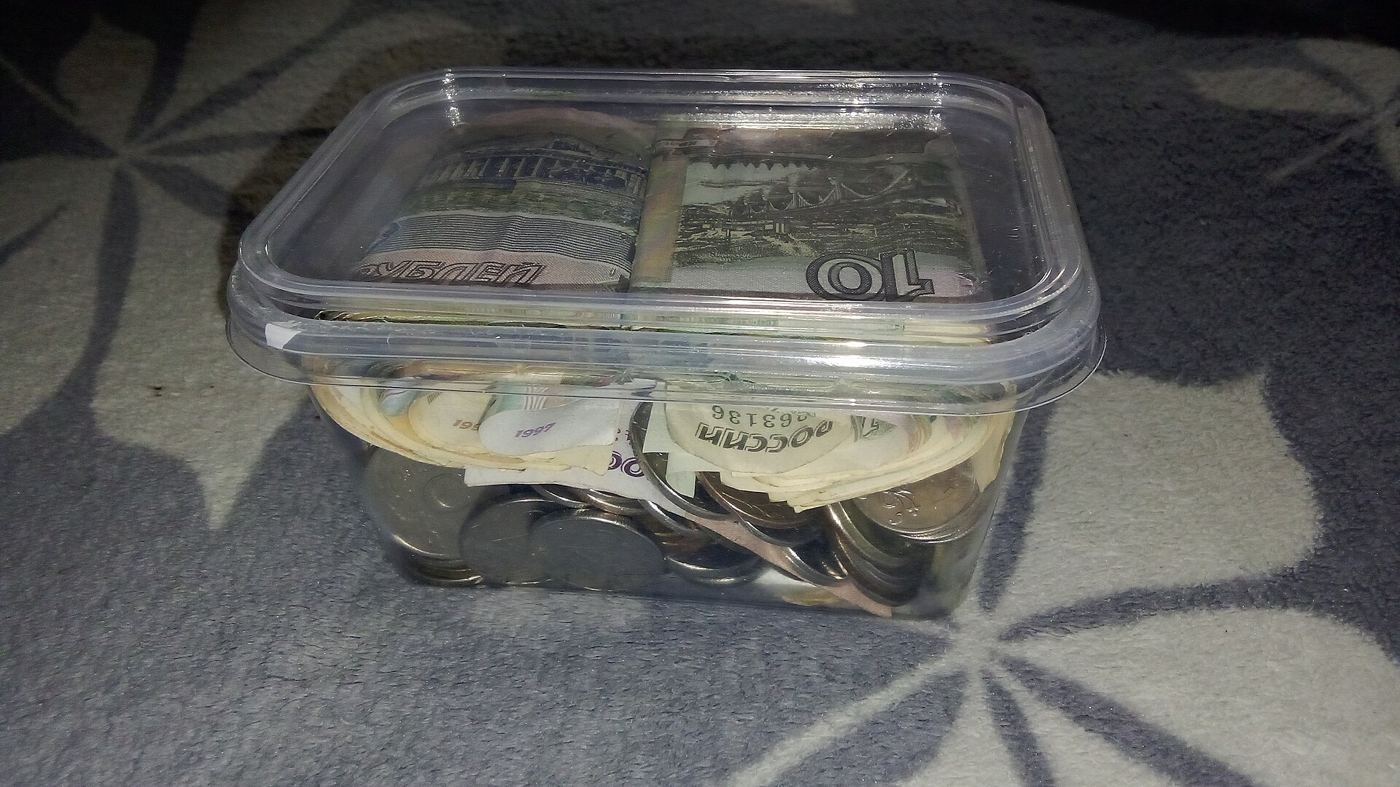
Round-up savings apps are quietly changing how many households put money aside, by moving small amounts automatically whenever they spend. Each card purchase is rounded up to the nearest pound or dollar, and the difference is transferred into a savings pot or investment account. Individually the sums look trivial, often just a few pence, but over months of everyday spending they can grow into a meaningful balance without any deliberate budgeting effort. Providers say the appeal lies in removing friction, because savers do not need to decide each payday how much they can afford to move. The approach suits people who have struggled with traditional saving, where a single large transfer feels painful and is easily postponed. Financial advisers note that round-ups work best as a starting habit rather than a complete plan, encouraging users who later add regular deposits once they see progress. As more banks build the feature directly into current accounts, what began as a fintech novelty is becoming a standard option. For households watching costs closely, that steady, almost invisible accumulation offers reassurance and a first buffer against unexpected bills.
What the Evidence Shows
Like any automatic tool, round-ups need occasional attention to stay useful. Savers should check where their money is held, whether it earns interest, and what fees apply if funds are invested rather than kept as cash. Those using investment round-ups need to understand that values can fall as well as rise, which makes the feature less suitable for money needed at short notice. Setting a clear goal for the pot, such as a holiday, a car repair fund or a deposit, helps prevent casual withdrawals from undoing months of progress. Some apps now allow multipliers that double or triple each round-up, letting confident savers accelerate growth without changing their spending. Experts also advise keeping an accessible emergency fund in an instant access account alongside any app-based saving. Used thoughtfully, round-ups demonstrate a wider lesson in personal finance, that systems which run quietly in the background often outperform good intentions. Small, repeated actions, sustained over a full year, can leave households noticeably better prepared than they expected. Reporting and analysis from sources such as World Bank track the same developments, and specialists following round-up savings apps say the direction is now consistent across independent lines of evidence.
The Wider Context
For households and small firms, round-up savings apps matters through prices and access rather than through market commentary. Changes at this level arrive as a rate on an offer letter, a fee on a statement or a product that quietly disappears from a comparison table. Consumer groups argue that transparency at exactly that point of decision is worth more than any amount of market-level reporting.
What Happens Next
The outlook for round-up savings apps hinges on policy choices that will be made in the open over the coming quarters. Market participants are positioned for more than one outcome, which is why the immediate reaction to each announcement has been smaller than the commentary around it. For ordinary savers and borrowers, the advice from every quarter is the same: review your own position, not the headlines. You can follow related developments in our coverage of finance.
It is also worth remembering how quickly the picture in this area has changed before. Positions that looked settled a few years ago have been revised as new data arrived, and the same humility is appropriate now. The strongest coverage of this subject, and the most useful advice, tends to come from sources that update their views openly when the facts move, rather than defending an earlier position long after it has stopped fitting the evidence available.
