



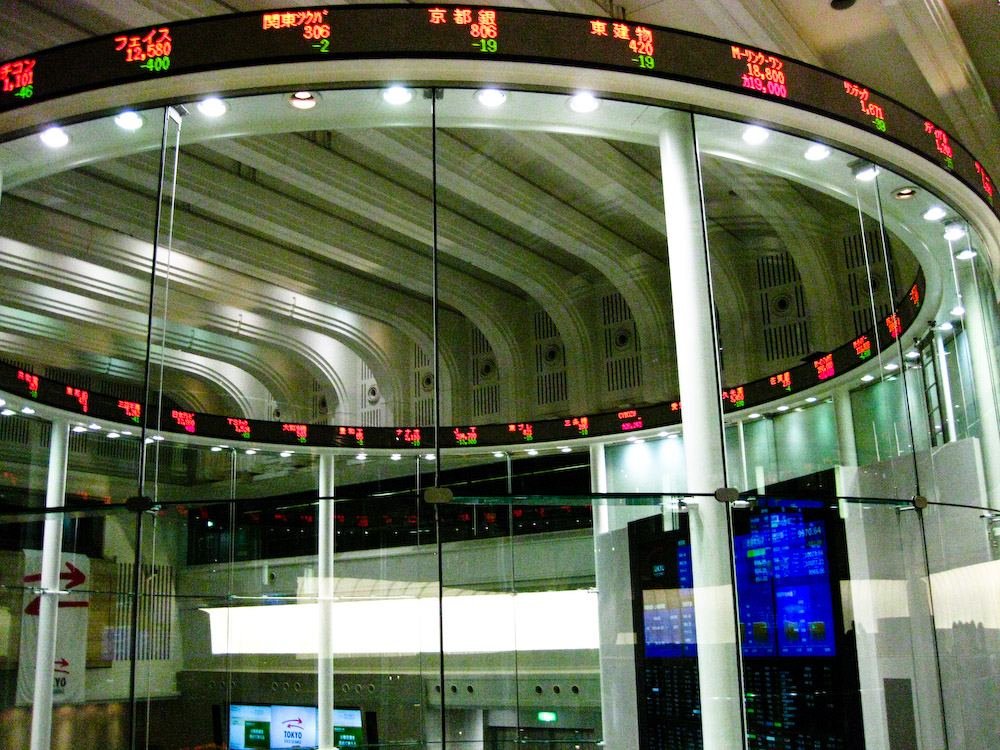
Retail investors who watch live market screens all day are learning that calmer habits often produce better results than constant trading. Prices flicker and headlines arrive by the minute, yet most small movements mean very little over weeks and months. Financial advisers say the investors who do best tend to check their portfolios less often, follow a written plan, and let diversified holdings do the slow work of compounding. A screen full of red and green numbers can trigger fear when prices fall and greed when they rise, pushing people to sell low and buy high. Setting clear rules in advance, such as a target allocation and a schedule for rebalancing, removes much of the emotion from decisions. Technology can help when it is used well, with alerts for major events rather than a live feed that demands attention. For ordinary savers investing for retirement or a house deposit, the screen is a tool for occasional review, not a scoreboard to watch all day.
What the Evidence Shows
Good habits start with knowing what the money is for and when it will be needed. Investors with a long horizon can accept short-term falls, while those saving for a near-term goal should hold safer assets regardless of what the market does today. Keeping costs low matters too, since fees compound just as returns do, and a simple low-cost fund often outperforms a busy trading account after charges. New investors benefit from learning the basics before risking larger sums, including how diversification works and why a single hot stock is a gamble rather than a plan. It also helps to limit how often the portfolio is checked, perhaps to a monthly review, so daily noise cannot drive decisions. When markets fall sharply, the calmest response is usually to revisit the plan rather than abandon it. Patience is not exciting, but for most retail investors it remains the most reliable edge available. Reporting and analysis from sources such as Financial Times track the same developments, and specialists following retail investors reading market screens say the direction is now consistent across independent lines of evidence.
The Wider Context
The wider context is a financial system repricing risk after a long era of cheap money. Decisions shaped by retail investors reading market screens are being made under closer supervisory attention, with stress tests and disclosure rules that assume conditions can worsen quickly. Institutions that planned for the benign case are adjusting in public, which is uncomfortable and healthy in equal measure.
What Happens Next
What happens next with retail investors reading market screens will be visible first in the data that professionals watch weekly: flows, spreads and the terms on new deals. Participants who spoke for this article expect a period of adjustment rather than drama, with the biggest effects landing on those who assumed the old conditions were permanent. Planning, as ever, is the cheapest hedge. You can follow related developments in our coverage of finance.
None of this will be settled by a single announcement, study or product launch. The pattern to watch is accumulation: independent confirmations, honest reporting of failures and steady improvement in the underlying numbers. Readers who follow those signals, rather than the loudest claim of the week, will understand this subject better than most of the commentary surrounding it suggests is possible.
