



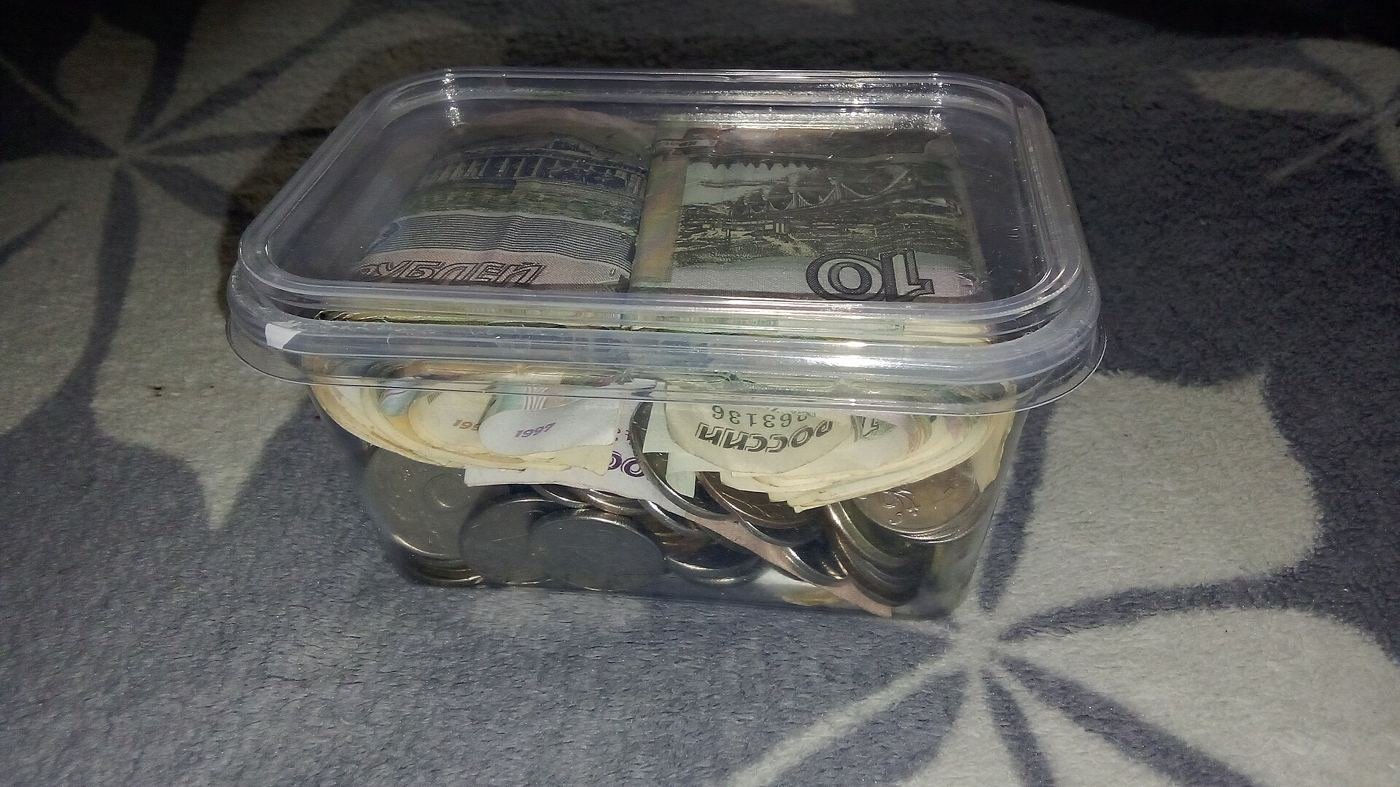
Pay yourself first is one of the oldest pieces of personal finance advice, and it survives because it reverses the order in which most people try to save money each month. Instead of saving whatever remains after spending, which is usually nothing, a fixed amount moves into a separate savings account on payday itself, before daily life gets a chance to absorb it. The amount matters less than the timing and the automation, because a modest sum transferred consistently builds a balance that sporadic good intentions rarely produce. Financial advisers suggest starting small enough that the habit survives a difficult month without being cancelled entirely, then increasing the transfer whenever income rises or an old expense disappears. Keeping the savings in a different account, ideally one without a card attached, adds just enough friction to stop casual dipping while keeping the money reachable for genuine emergencies. Over a year, savers often report that they adjusted to the slightly smaller spending budget without noticing exactly where the difference went. That invisibility is precisely the point, since the method relies on routine and default behaviour rather than willpower, discipline or complicated budgeting systems that collapse by February.
What the Evidence Shows
The habit works best when it is connected to a purpose, because money saved for nothing in particular is the easiest money to spend when temptation appears unexpectedly. Common goals include an emergency fund covering several months of essential expenses, a deposit, a vehicle replacement or simply the freedom to refuse overtime without panic. Some savers split the payday transfer between two pots, one for security and one for enjoyment, which protects the serious goal while still allowing guilt free spending elsewhere. Employers in some countries support the approach directly, letting staff divert part of their salary into savings or pension accounts before it reaches their main bank balance. Reviewing the arrangement twice a year keeps it honest, checking whether the amount still fits current income and whether interest rates on the savings account remain competitive with alternatives. Cash held for short term goals belongs in accessible, protected accounts rather than investments, where values can fall at exactly the moment the money is needed. Quiet, automatic and slightly boring, paying yourself first rarely feels dramatic, yet few financial habits deliver so much progress for so little continuing effort. Reporting and analysis from sources such as World Bank track the same developments, and specialists following pay yourself first savings habit say the direction is now consistent across independent lines of evidence.
The Wider Context
For households and small firms, pay yourself first savings habit matters through prices and access rather than through market commentary. Changes at this level arrive as a rate on an offer letter, a fee on a statement or a product that quietly disappears from a comparison table. Consumer groups argue that transparency at exactly that point of decision is worth more than any amount of market-level reporting.
What Happens Next
The outlook for pay yourself first savings habit hinges on policy choices that will be made in the open over the coming quarters. Market participants are positioned for more than one outcome, which is why the immediate reaction to each announcement has been smaller than the commentary around it. For ordinary savers and borrowers, the advice from every quarter is the same: review your own position, not the headlines. You can follow related developments in our coverage of finance.
It is also worth remembering how quickly the picture in this area has changed before. Positions that looked settled a few years ago have been revised as new data arrived, and the same humility is appropriate now. The strongest coverage of this subject, and the most useful advice, tends to come from sources that update their views openly when the facts move, rather than defending an earlier position long after it has stopped fitting the evidence available.
