



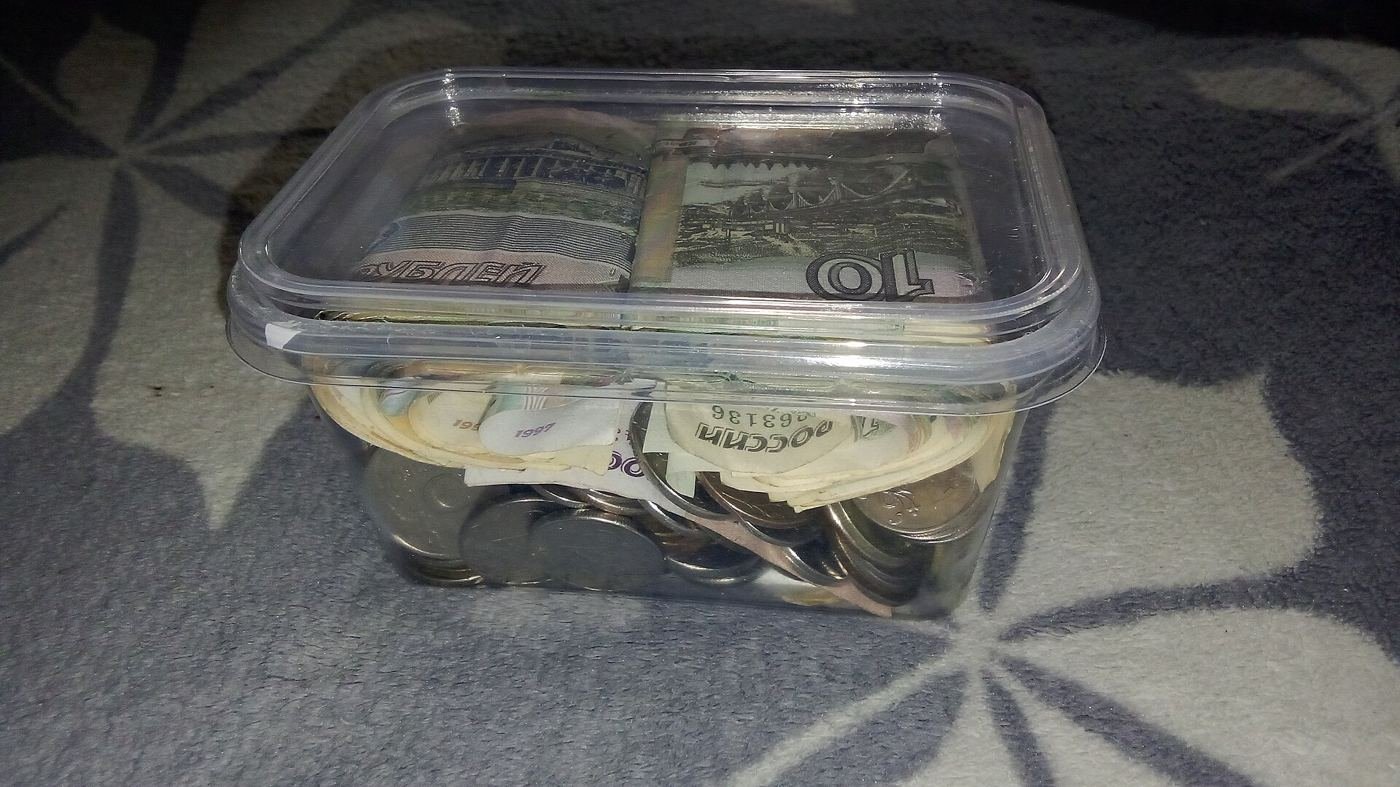
Families are building emergency savings in small steps that actually last, after a year of repairs, energy bills and unexpected costs showed how quickly a household without a cushion can slide toward expensive borrowing. A separate, easy access account helps, keeping the emergency fund visible enough to feel encouraging but separate enough that it is not quietly spent on ordinary weekly shopping. The first goal is often five hundred in local currency, enough to cover a broken appliance, a car repair or a short gap in income without turning to a credit card at a punishing rate. From there, households build toward one month of essential spending, then three, adjusting the pace around school costs, holidays and other predictable pressures rather than abandoning the plan whenever life gets busy. The habit matters more than the headline amount, because a family that saves steadily learns it can recover from setbacks calmly.
What the Evidence Shows
Practical tricks make the habit survive difficult months, including rounding up purchases into savings, sending windfalls such as refunds straight to the fund and reviewing subscriptions so cancelled services quietly become monthly contributions instead. Couples do better when they agree in advance what counts as an emergency, since a sale, a holiday or a routine celebration rarely qualifies, while a boiler failure or lost working hours clearly does. Keeping the account with a different bank can add helpful friction, slowing impulse withdrawals while still allowing genuine access within a day when a real problem arrives. Interest rates on easy access accounts vary widely, so a yearly check that the fund is earning a fair return is worthwhile, provided access stays instant and penalties stay absent. Over time the growing balance changes how a family feels about money, replacing dread of the unexpected with a quiet confidence that most ordinary crises are already covered. Reporting and analysis from sources such as World Bank track the same developments, and specialists following families build emergency savings in small steps say the direction is now consistent across independent lines of evidence.
The Wider Context
For households and small firms, families build emergency savings in small steps matters through prices and access rather than through market commentary. Changes at this level arrive as a rate on an offer letter, a fee on a statement or a product that quietly disappears from a comparison table. Consumer groups argue that transparency at exactly that point of decision is worth more than any amount of market-level reporting.
What Happens Next
The outlook for families build emergency savings in small steps hinges on policy choices that will be made in the open over the coming quarters. Market participants are positioned for more than one outcome, which is why the immediate reaction to each announcement has been smaller than the commentary around it. For ordinary savers and borrowers, the advice from every quarter is the same: review your own position, not the headlines. You can follow related developments in our coverage of finance.
It is also worth remembering how quickly the picture in this area has changed before. Positions that looked settled a few years ago have been revised as new data arrived, and the same humility is appropriate now. The strongest coverage of this subject, and the most useful advice, tends to come from sources that update their views openly when the facts move, rather than defending an earlier position long after it has stopped fitting the evidence available.
