



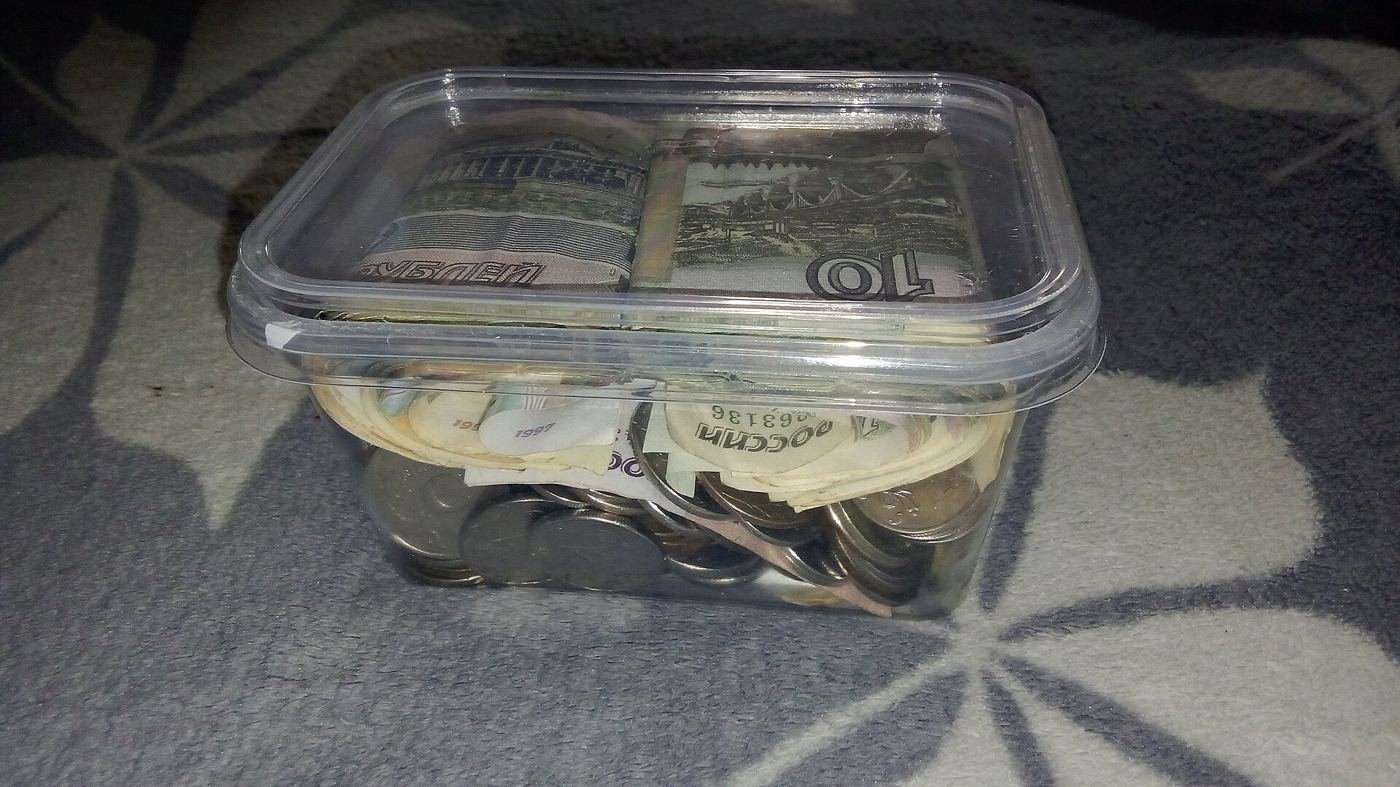
Building an emergency savings pot is one of the most practical steps a household can take, because a modest reserve turns an unexpected bill from a crisis into a manageable problem. A broken boiler, car repair, reduced working hours or a sudden trip can all arrive without warning, and families without savings often turn to expensive borrowing at exactly the moment money is already tight. Financial advisers suggest starting with a small, reachable target, such as covering one essential bill, then growing the pot gradually toward one month of core spending and beyond when income allows. The amount matters less at first than the habit itself, because regular transfers, even small ones, build confidence and make saving feel like a normal part of the monthly routine rather than a sacrifice repeated under pressure. Keeping the money in a separate, easy access account helps in two ways, since it stays available for genuine emergencies but is less likely to be spent on everyday purchases. Households that review the pot after pay rises, cleared debts or cheaper bills can increase contributions slowly without feeling a sudden squeeze on daily life each month.
What the Evidence Shows
Setting up an automatic transfer just after payday is often more reliable than hoping money will remain at the end of the month. Savers can also direct small windfalls, refunds or the money from a cancelled subscription into the pot, watching it grow without changing daily spending very much. The account should be safe, accessible and clearly labelled, so nobody mistakes it for holiday money or general savings meant for another goal. Couples and families benefit from agreeing in advance what counts as an emergency, which prevents disagreements when a tempting but non essential cost appears suddenly. After the pot is used, rebuilding it becomes the next priority, again in small steps that fit the budget realistically. A calm reserve will not remove every financial worry, but it gives households time, choice and dignity when life becomes unpredictable. Even a small completed first target proves the method works, making the next stage feel achievable rather than distant for the whole household. Reporting and analysis from sources such as World Bank track the same developments, and specialists following emergency savings pot for households say the direction is now consistent across independent lines of evidence.
The Wider Context
For households and small firms, emergency savings pot for households matters through prices and access rather than through market commentary. Changes at this level arrive as a rate on an offer letter, a fee on a statement or a product that quietly disappears from a comparison table. Consumer groups argue that transparency at exactly that point of decision is worth more than any amount of market-level reporting.
What Happens Next
The outlook for emergency savings pot for households hinges on policy choices that will be made in the open over the coming quarters. Market participants are positioned for more than one outcome, which is why the immediate reaction to each announcement has been smaller than the commentary around it. For ordinary savers and borrowers, the advice from every quarter is the same: review your own position, not the headlines. You can follow related developments in our coverage of finance.
It is also worth remembering how quickly the picture in this area has changed before. Positions that looked settled a few years ago have been revised as new data arrived, and the same humility is appropriate now. The strongest coverage of this subject, and the most useful advice, tends to come from sources that update their views openly when the facts move, rather than defending an earlier position long after it has stopped fitting the evidence available.
