



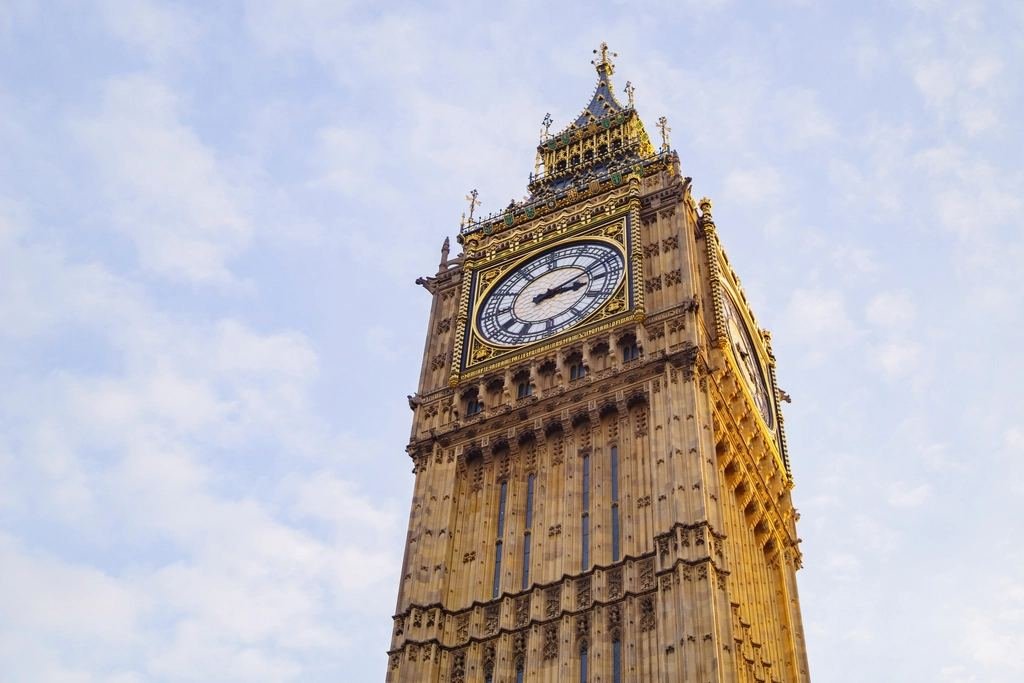
Chancellor Rachel Reeves delivered the Labour government’s second budget, reported on November 26, 2026, with tax rises worth around £26 billion, the largest tax-raising package in decades. The measures will push the UK’s overall tax burden to a record high of 38 percent of GDP, according to the Office for Budget Responsibility. The package includes a surcharge on homes worth over £2 million, higher taxes on online gambling, and a two-percentage-point rise in tax rates on dividends, property and savings income. Reeves also froze income tax thresholds for three more years, a move expected to drag nearly two million more people into higher tax brackets.
What the Evidence Shows
The budget was overshadowed by an embarrassing leak, after the Office for Budget Responsibility’s forecasts were accidentally published online an hour before Reeves delivered her speech, which she called deeply disappointing. Against the tax rises, Reeves cut £150 off the average household energy bill from April, froze rail fares, and abolished the two-child benefits cap. For entrepreneurs, the budget widened Seed Enterprise Investment Scheme eligibility and offered a three-year stamp duty exemption for companies listing in the UK. The Office for Budget Responsibility forecast growth of 1.2 percent in 2026 and 1.0 percent in 2027, a reminder that the tax rises land on a slow-growing economy. Reporting and analysis from sources such as Financial Times track the same developments, and specialists following the UK Autumn Budget tax rises say the direction is now consistent across independent lines of evidence.
The Wider Context
The wider context is a financial system repricing risk after a long era of cheap money. Decisions shaped by the UK Autumn Budget tax rises are being made under closer supervisory attention, with stress tests and disclosure rules that assume conditions can worsen quickly. Institutions that planned for the benign case are adjusting in public, which is uncomfortable and healthy in equal measure.
What Happens Next
What happens next with the UK Autumn Budget tax rises will be visible first in the data that professionals watch weekly: flows, spreads and the terms on new deals. Participants who spoke for this article expect a period of adjustment rather than drama, with the biggest effects landing on those who assumed the old conditions were permanent. Planning, as ever, is the cheapest hedge. You can follow related developments in our coverage of finance.
None of this will be settled by a single announcement, study or product launch. The pattern to watch is accumulation: independent confirmations, honest reporting of failures and steady improvement in the underlying numbers. Readers who follow those signals, rather than the loudest claim of the week, will understand this subject better than most of the commentary surrounding it suggests is possible.
There is a practical lesson in all of this for readers deciding what to do today. Start with the verified facts, be wary of anyone promising certainty, and prefer reversible steps while the evidence is still developing. Circumstances differ by country, income and personal situation, so general guidance should always be weighed against your own context before you act on it in any significant or lasting way.
