



Introduction
Joint discomfort can affect many parts of a dog's daily routine. A dog that once enjoyed long walks may begin to move more slowly, avoid stairs, or show less interest in playing. Changes like these can have several causes, including age-related joint conditions, injuries, or other health concerns. When a dog appears uncomfortable, understanding the possible reasons is an important first step. A veterinary examination can help identify the cause and guide decisions about suitable care.
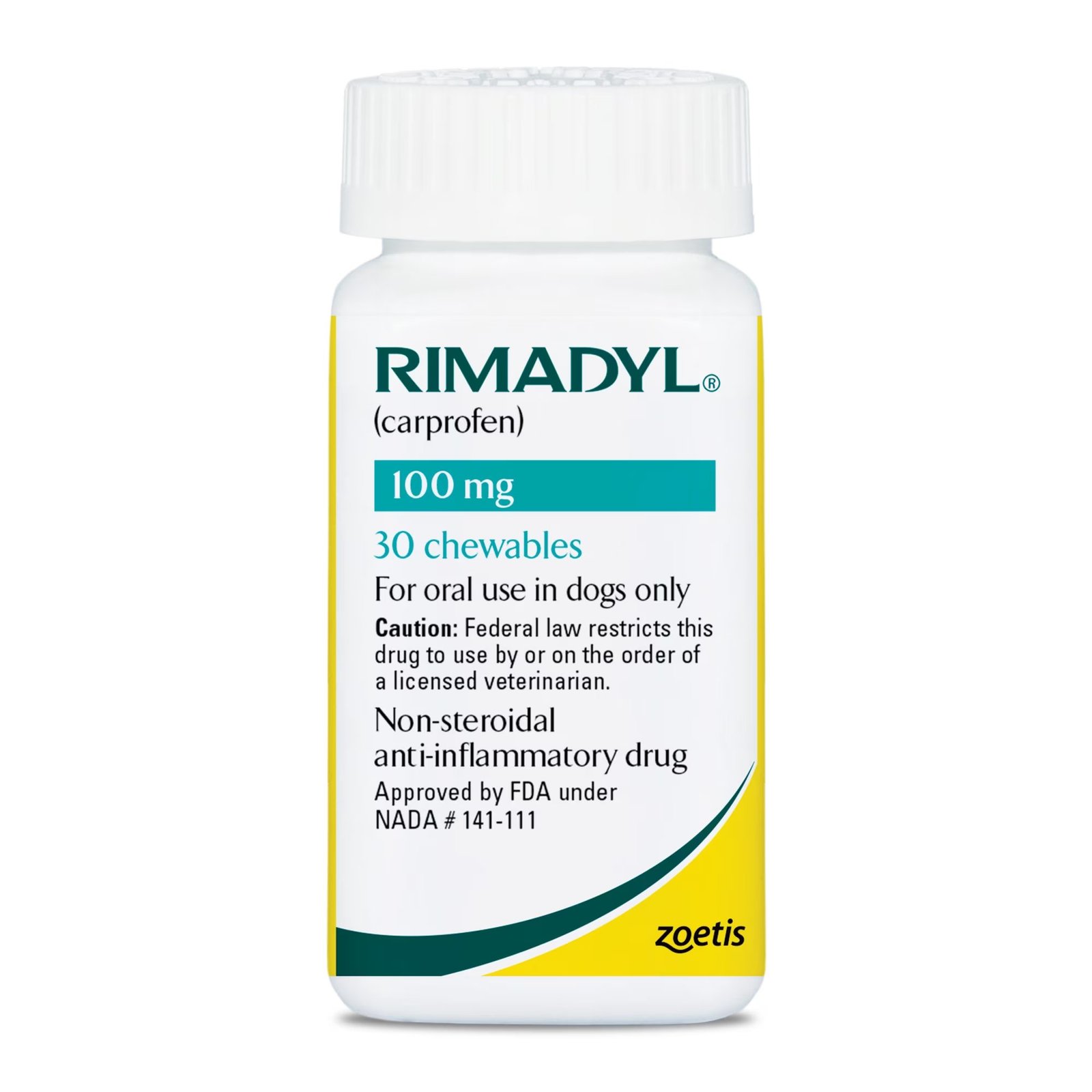
Medication may be part of a veterinarian's plan for managing pain and inflammation. Rimadyl is one veterinary medicine that owners may come across when learning about canine pain management. Its active ingredient is carprofen, and the product is available in chewable tablet form. However, knowing the product name is only the beginning. Owners should also understand its purpose, the importance of veterinary guidance, and the product details that need checking before use.
Understanding Rimadyl and Its Active Ingredient
Rimadyl contains carprofen, a non-steroidal anti-inflammatory drug, often shortened to NSAID. This group of medicines is used in veterinary care to help manage pain and inflammation. The official product information describes Rimadyl for dogs with pain and inflammation associated with osteoarthritis, as well as pain linked to certain surgical procedures. It is not a cure for joint disease, and its suitability depends on the individual dog's health and veterinary assessment.
The product listing forRimadyl carprofen chewable tablets for dogs identifies the medicine by its brand, active ingredient, tablet form, and intended animal. These details matter because veterinary medicines can have similar names or ingredients while differing in strength, form, or approved use. Owners should read the product information carefully and compare it with the medicine prescribed by their veterinarian. A familiar brand name alone is not enough to confirm that a product is the correct match.
Why Chewable Tablet Details Matter
The chewable format is an important part of the product description. It tells owners that the medicine is supplied as a tablet designed to be given by mouth. Some dogs may find chewable tablets easier to take than other forms of medication, but acceptance can vary from one animal to another. The word chewable should not be taken as a reason to offer the medicine casually or treat it like an ordinary snack. It remains a veterinary drug that must be handled according to its label and professional instructions.
Product strength and pack information also deserve attention. Different tablet strengths may be available, and the correct option depends on the prescription and the dog's individual needs. Owners should never estimate an amount by comparing their dog's size with another animal or by using advice intended for a different medicine. Before ordering or discussing a product, check the exact strength, tablet type, pack quantity, and any instructions shown on the listing. If any detail does not match the veterinary prescription, ask the clinic or supplier to clarify it.
How Rimadyl Fits into Joint and Mobility Care
Joint care involves more than choosing a medicine. A veterinarian may consider the dog's age, weight, activity level, medical history, movement, and signs of discomfort before recommending a care plan. For dogs with osteoarthritis, management may involve several measures, such as suitable activity, weight management, home adjustments, regular check-ups, and prescribed treatment when appropriate. The best approach is based on the dog's condition rather than a general product recommendation.
Owners researchingjoint and mobility products may find different types of items in this category. These can include veterinary medicines and other products intended to support aspects of joint care. They should not be treated as interchangeable. A supplement, for example, is not automatically a substitute for a prescribed anti-inflammatory medicine. It is useful to understand each product's purpose and discuss possible combinations with a veterinarian, especially when a dog already takes medication or has an ongoing health condition.
Safe Use and What Owners Should Monitor
Rimadyl should only be given to a dog under veterinary direction. Before treatment, owners should tell the veterinarian about existing health problems, previous reactions to medicines, and all other products the dog receives. This includes prescription medicines, non-prescription products, and supplements. Particular care may be needed when a dog has a history of digestive, kidney, liver, or bleeding problems. The veterinarian may recommend examinations or laboratory tests before treatment and during follow-up visits to help monitor the dog's health.
Owners should watch for changes while their dog is receiving carprofen. Possible warning signs listed in official product information include reduced appetite, vomiting, diarrhoea, dark or tarry stools, unusual tiredness, changes in drinking or urination, yellowing of the eyes or gums, and changes in behaviour or coordination. If a dog shows signs of a possible reaction, stop giving the medicine and contact the veterinarian promptly for advice. Do not combine Rimadyl with another anti-inflammatory medicine or a steroid unless the veterinarian has specifically managed the treatment plan. Store the chewable tablets securely and out of reach, since accidental ingestion of too many tablets can be serious.
Conclusion
Rimadyl is a carprofen-based veterinary medicine supplied in chewable tablet form for dogs. It may be considered by a veterinarian when managing pain and inflammation associated with certain conditions, including osteoarthritis and post-operative discomfort. Understanding the active ingredient, intended animal, tablet format, and product strength helps owners read listings more carefully. It also makes conversations with a veterinary professional more useful and focused.
The most important point is that product information should support, not replace, professional advice. A dog's symptoms, medical history, and response to treatment all matter when deciding whether a medicine is appropriate. Owners should follow the prescribed directions, keep track of any unusual changes, and attend recommended follow-up checks. Careful product selection and ongoing veterinary communication can help make joint and mobility care more informed and responsible.
