



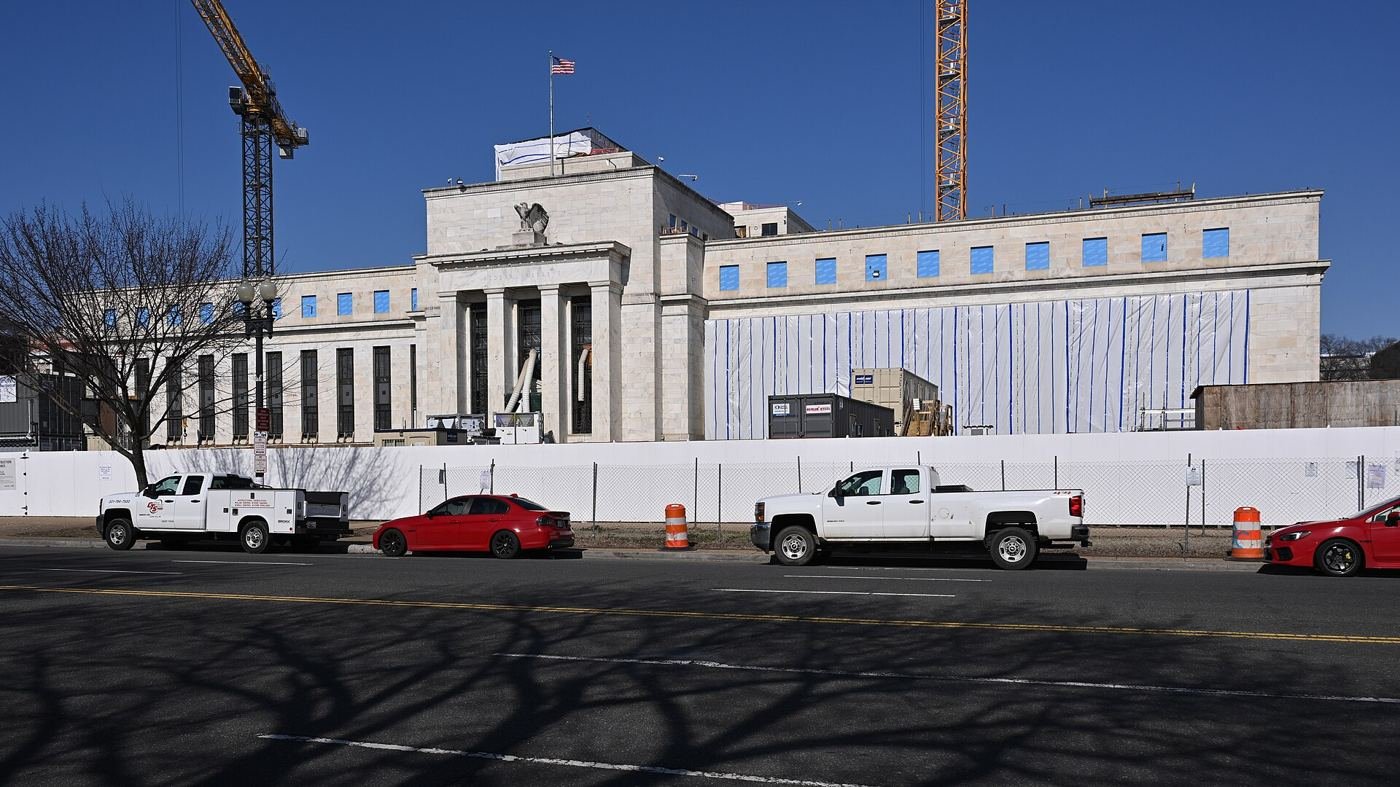
The Federal Reserve paused in October but did not soften, according to minutes released on November 18, 2026, from the Federal Open Market Committee’s October 27-28 meeting. Almost all participants judged that further action to raise the target range for the federal funds rate would likely be appropriate under their baseline outlooks, in order to ensure a timely return of inflation to the 2 percent objective. The committee held the target range at 3.75 percent to 4.00 percent on a 10-2 vote, with Governor Lisa Cook and Cleveland Fed President Beth Hammack dissenting in favour of a 25-basis-point hike. A couple of participants noted that a larger increase could warrant consideration at the next meeting if incoming inflation data were unfavourable.
What the Evidence Shows
Markets moved fast on the release. CME FedWatch pricing put the probability of a 25-basis-point hike at the December 8-9 meeting at 97 percent, up from 91.7 percent on November 13, with a small chance of a 50-basis-point move. Fed Governor Christopher Waller said in a CNBC interview that the committee should consider a half-point hike in December, while Treasury Secretary Scott Bessent warned on November 23 against excessive hikes after a tech-led stock sell-off. The minutes also flagged a new worry: most participants observed that AI-related debt had grown rapidly through complex and opaque financing structures. The 30-year mortgage rate stood at 7.11 percent on November 12, showing how restrictive policy continues to weigh on housing, where pending home contracts have fallen to their lowest mark since 2001. Reporting and analysis from sources such as World Bank track the same developments, and specialists following Fed December rate hike say the direction is now consistent across independent lines of evidence.
The Wider Context
For households and small firms, Fed December rate hike matters through prices and access rather than through market commentary. Changes at this level arrive as a rate on an offer letter, a fee on a statement or a product that quietly disappears from a comparison table. Consumer groups argue that transparency at exactly that point of decision is worth more than any amount of market-level reporting.
What Happens Next
The outlook for Fed December rate hike hinges on policy choices that will be made in the open over the coming quarters. Market participants are positioned for more than one outcome, which is why the immediate reaction to each announcement has been smaller than the commentary around it. For ordinary savers and borrowers, the advice from every quarter is the same: review your own position, not the headlines. You can follow related developments in our coverage of finance.
It is also worth remembering how quickly the picture in this area has changed before. Positions that looked settled a few years ago have been revised as new data arrived, and the same humility is appropriate now. The strongest coverage of this subject, and the most useful advice, tends to come from sources that update their views openly when the facts move, rather than defending an earlier position long after it has stopped fitting the evidence available.
