



Branded packaging is one of the simplest ways for a small business to look polished. A ribbon tied around a gift box, candle, or bakery bag can turn an ordinary parcel into something customers remember and photograph. But many owners hit the same hurdle when they start looking into branded ribbon: the minimum order quantity, or MOQ.
If you’ve searched for a custom ribbon with logo, you’ve probably noticed that suppliers set minimums for their print runs. Custom ribbon with logo printing involves setup work that makes very small orders uneconomical, so MOQs exist. Understanding why they exist, and how to plan around them, helps you avoid overspending or ending up with ribbon you can’t use.
What Is a Minimum Order Quantity?
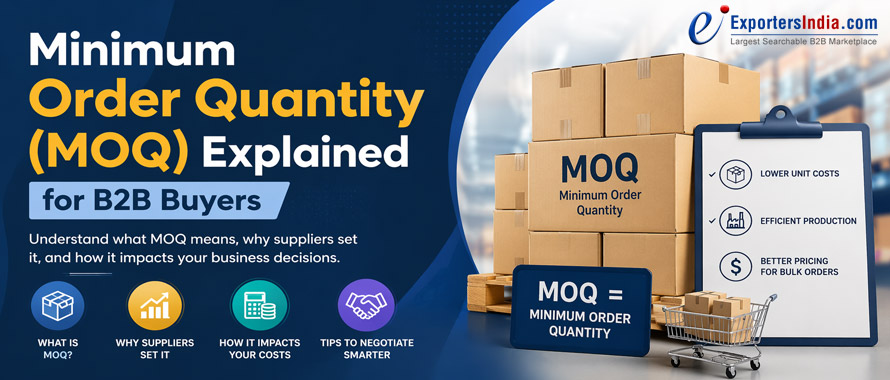
An MOQ is the smallest amount a supplier will produce in a single order. For logo ribbon, it’s usually measured in metres or rolls rather than individual pieces. A supplier might require, for example, a set number of rolls per design or a minimum length per colour.
It isn’t an arbitrary barrier. Suppliers set MOQs to cover the real costs of getting your order ready to print, and those costs don’t shrink just because the order is small.
Why Do Suppliers Have Minimums?
Setup costs. Before a single metre is printed, your artwork must be prepared, colours matched, and the printing equipment configured. That work takes the same time whether the run is 50 metres or 500.
Material wastage. Each print run uses some ribbon for testing and calibration. Spread across a larger order, that waste barely affects the price. Spread across a tiny order, it does.
Production efficiency. Factories are built for consistent, repeatable runs. Stopping and restarting equipment for very small jobs eats into capacity, and that cost is passed on.
How MOQs Affect Your Price
Most small business owners notice that the price per metre drops as the quantity rises. That’s because fixed setup costs are divided across more product. A small order might look cheaper overall, but the cost per metre is usually higher.
Before you decide, ask yourself two questions:
- What is the total cost of the order?
- What is the cost per metre, and how does it change at higher quantities?
Sometimes ordering slightly more than you need gives far better value, especially if ribbon keeps well and you’ll use it over several months.
How to Work Out How Much Ribbon You Actually Need
Many first-time buyers either over-order out of enthusiasm or under-order out of caution. A simple estimate keeps you grounded.
- Count your monthly orders. How many parcels, gifts, or products do you ship or sell each month?
- Measure per item. Wrap a sample piece of ribbon around your typical package, add extra for the bow, and note the length.
- Multiply and add a buffer. Multiply the length by your monthly volume, then add roughly 10 to 15 percent for mistakes and wastage.
- Think in seasons. If you sell gifts, peak periods like Christmas, Mother’s Day, and Valentine’s Day can double or triple your usage.
Once you have a figure, compare it against the supplier’s MOQ. If your annual usage is comfortably above the minimum, you can order with confidence and treat the ribbon as a planned stock item.
Tips for Small Businesses With Tight Budgets
If the MOQ feels high for your current cash flow, there are sensible ways to manage it.
Choose a versatile design. A simple one-colour logo on a neutral ribbon works across seasons and product lines, so you’re never stuck with stock that only suits one occasion.
Keep artwork simple. Fewer colours usually mean easier production and fewer complications. A clean, legible logo also reads better on a narrow ribbon than a detailed one.
Plan ahead. Ordering early avoids rush fees and lets you build a stock cycle, such as one larger order each quarter, rather than frequent small ones.
Split the cost across uses. Ribbon isn’t just for gift wrapping. It can tie tags to products, seal tissue paper, decorate event tables, and dress up packaging for wholesale customers. The more uses you find, the quicker the stock turns over.
Questions to Ask Before You Order
Before confirming anything, it’s worth asking the supplier:
- What is the minimum order for my chosen ribbon width and material?
- Are there different MOQs for different colours or print methods?
- What file formats do you need for my logo, and is there a setup fee?
- What is the typical production and delivery time?
- Can I order a sample first to check print quality and colour accuracy?
Asking for a sample is especially smart. A logo that looks crisp on screen can behave differently on satin or grosgrain, and seeing it in person prevents expensive surprises.
Avoiding Common Mistakes
The most frequent errors are easy to sidestep. Some businesses choose the lowest possible quantity to save money upfront, then reorder so often that shipping costs wipe out the savings. Others order a huge run in a trendy colour that falls out of favour within a year. A few submit low-resolution artwork and end up with blurry printing.
Balance is the goal. Order enough to get a fair per-metre price, choose a design you’ll be happy with for a long time, and always supply clean, high-quality artwork.
The Bottom Line
Minimum order quantities can feel like a hurdle, but they’re really just a reflection of how printing works. Once you understand the reasoning, you can plan your order like a pro: estimate your usage, compare per-metre pricing, ask the right questions, and choose a timeless design.
Get it right, and a custom ribbon with logo becomes more than packaging. It’s a small, repeatable branding touch that makes every order feel considered and keeps your business in customers’ minds long after the parcel is opened.
