



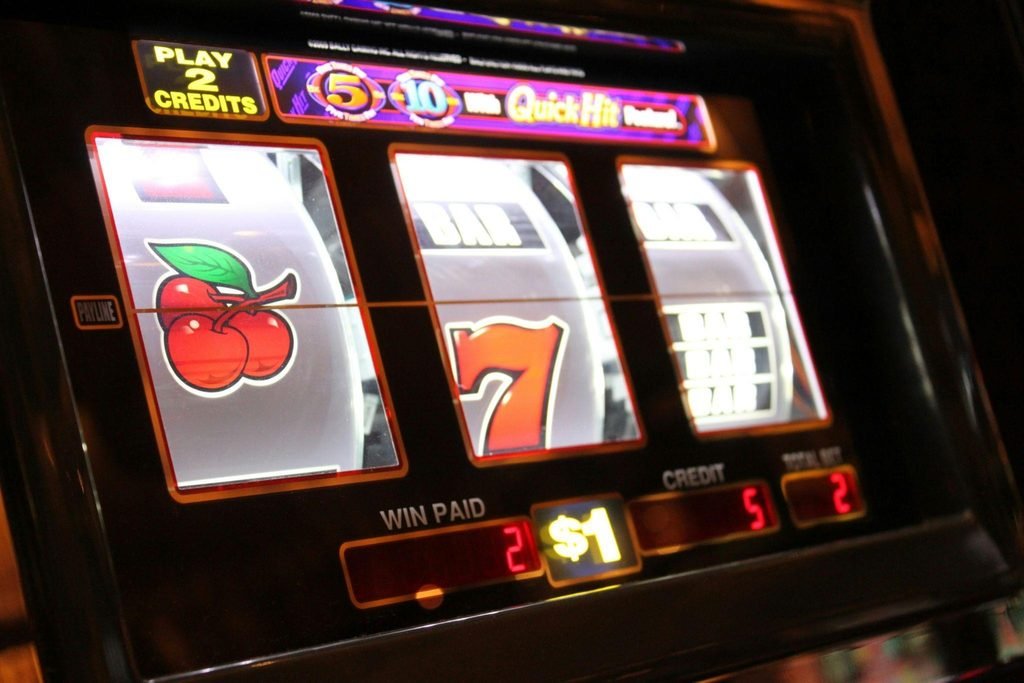
Slot games have simple controls, but players can still make poor decisions during a session. Some mistakes come from misunderstandings about how slot mechanics work, while others happen when emotions affect spending decisions. Players may also repeat habits that feel helpful but don’t affect random outcomes. Recognizing these patterns can help players approach each session with clearer expectations.
It can also make it easier to set practical limits and follow them. With that in mind, here are common mistakes players make and practical ways to avoid them.
Assuming a Win Is Due
Another common mistake involves believing that a slot becomes more likely to pay after a long series of losses. Random outcomes don’t work this way, so a player can’t predict the next result by counting previous spins. For example, losing ten consecutive spins does not mean the eleventh spin must produce a winning combination. Treat every spin as a separate event and avoid spending more because a win feels overdue.
Changing Bet Sizes Based on Results
Some players constantly adjust their wagers after each spin. They may raise the bet after a win or increase it after a loss because they believe the change will improve their chances.
A more practical approach is to choose a bet amount that fits your planned budget. Keep the amount consistent unless you have a specific reason to change it, such as adjusting the session length or total spending limit.
Ignoring RTP and Volatility
Players can make better-informed choices when they understand two important slot terms: return to player (RTP) and volatility. RTP represents a game’s theoretical long-term return percentage, while volatility describes the general size and frequency of its payouts.
Before choosing a game, check whether the operator provides this information. Remember that RTP reflects long-term mathematical performance, not what a player should expect to receive in a single session.
Playing Without a Clear Budget
A session can quickly extend beyond its original plan when a player does not set a spending limit. Losses may encourage additional deposits, while a winning streak may encourage longer play. Set a maximum amount before starting and treat it as a firm boundary. A separate time limit can also help prevent a short session from turning into hours of continuous play.
Trusting Guaranteed Winning Claims
Players may encounter websites, videos, or social posts that promise a system that can guarantee slot wins. Be cautious, because players cannot reliably predict the outcome of individual random spins. When looking for tips to win slots, focus on useful information about RTP, volatility, bankroll management, paytables, and game features. Avoid strategies that promise guaranteed profits or claim to predict specific winning combinations.
Wrapping Up
Players often repeat slot mistakes because they look for patterns in random results or react emotionally to wins and losses. Setting a realistic budget, learning key game information, and avoiding loss-chasing can also support more controlled sessions. By recognizing repeated mistakes and replacing them with practical habits, players can make more informed choices each time they play.
