



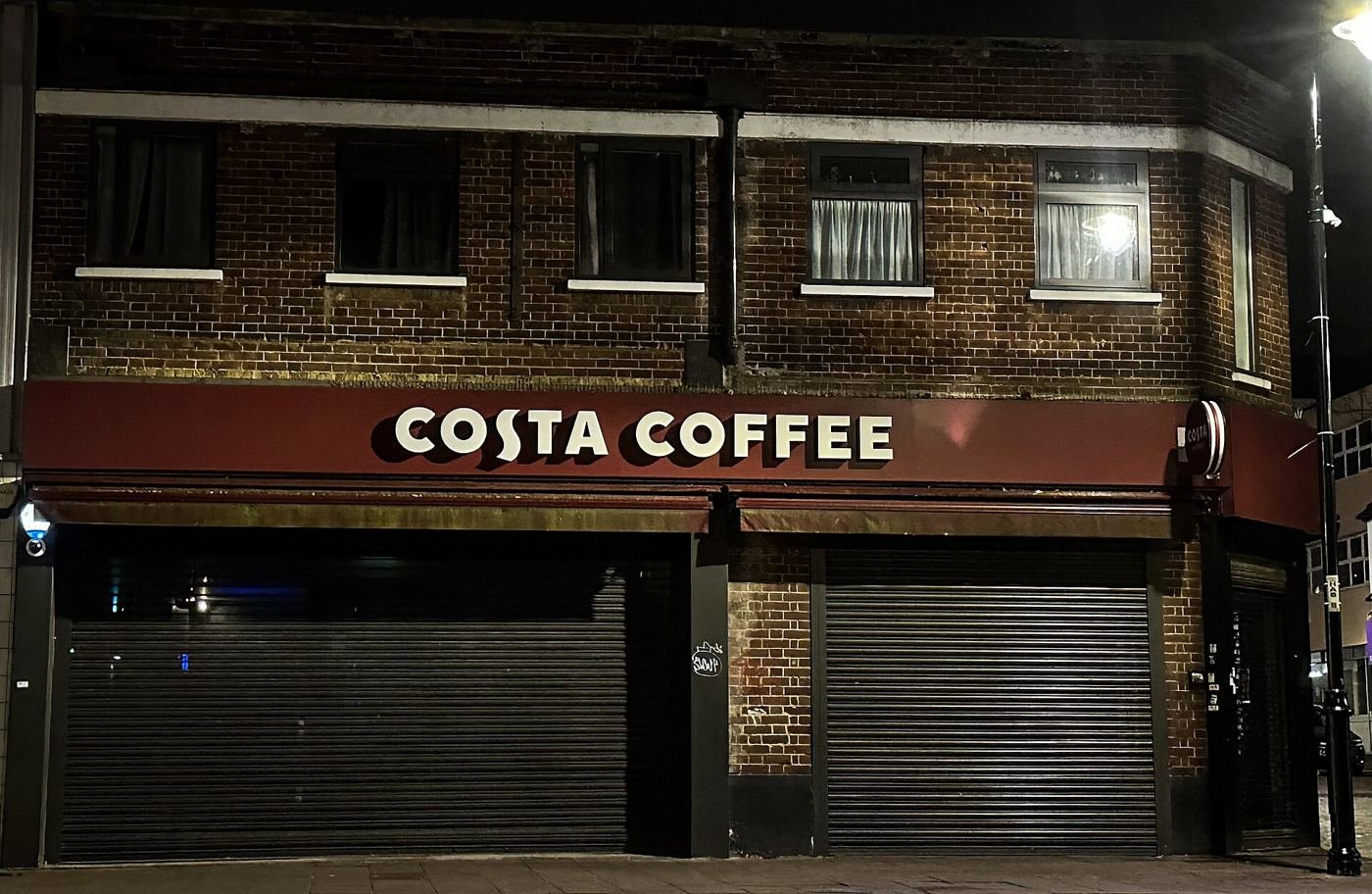
Franchising is growing again as would-be business owners look for a safer way to start. Instead of building a brand from nothing, a franchisee buys the right to run a proven business under an established name, with training, suppliers and marketing supplied by the franchisor. The British Franchise Association says the sector contributes about 19 billion pounds a year to the British economy, with more than a thousand franchise brands operating across the country and tens of thousands of individual outlets. Coffee shops, gyms, estate agents and cleaning firms are among the most common, and the model appeals to people leaving corporate jobs who want to run a business without inventing one. The failure rate is lower than for independent start-ups, which is the main reason banks are often more willing to lend to a franchisee.
What the Evidence Shows
The franchise fee buys a proven model, but the buyer should read the contract like a sceptic. Most franchisors charge an upfront fee plus a royalty of around five to ten percent of turnover, and the buyer should work out whether the business still makes money after those payments. The territory matters too: a franchise that grants an exclusive area protects the owner from a rival outlet opening next door, while a loose territory does not. A serious buyer should speak to several existing franchisees, ask how long it took them to break even, and check whether the franchisor belongs to the British Franchise Association, whose members must follow a code of ethics. An accountant should review the figures before anything is signed, since the cheapest franchise is rarely the best one. Reporting and analysis from sources such as World Bank track the same developments, and specialists following franchising say the direction is now consistent across independent lines of evidence.
The Wider Context
For households and small firms, franchising matters through prices and access rather than through market commentary. Changes at this level arrive as a rate on an offer letter, a fee on a statement or a product that quietly disappears from a comparison table. Consumer groups argue that transparency at exactly that point of decision is worth more than any amount of market-level reporting.
What Happens Next
The outlook for franchising hinges on policy choices that will be made in the open over the coming quarters. Market participants are positioned for more than one outcome, which is why the immediate reaction to each announcement has been smaller than the commentary around it. For ordinary savers and borrowers, the advice from every quarter is the same: review your own position, not the headlines. You can follow related developments in our coverage of finance.
It is also worth remembering how quickly the picture in this area has changed before. Positions that looked settled a few years ago have been revised as new data arrived, and the same humility is appropriate now. The strongest coverage of this subject, and the most useful advice, tends to come from sources that update their views openly when the facts move, rather than defending an earlier position long after it has stopped fitting the evidence available.
