



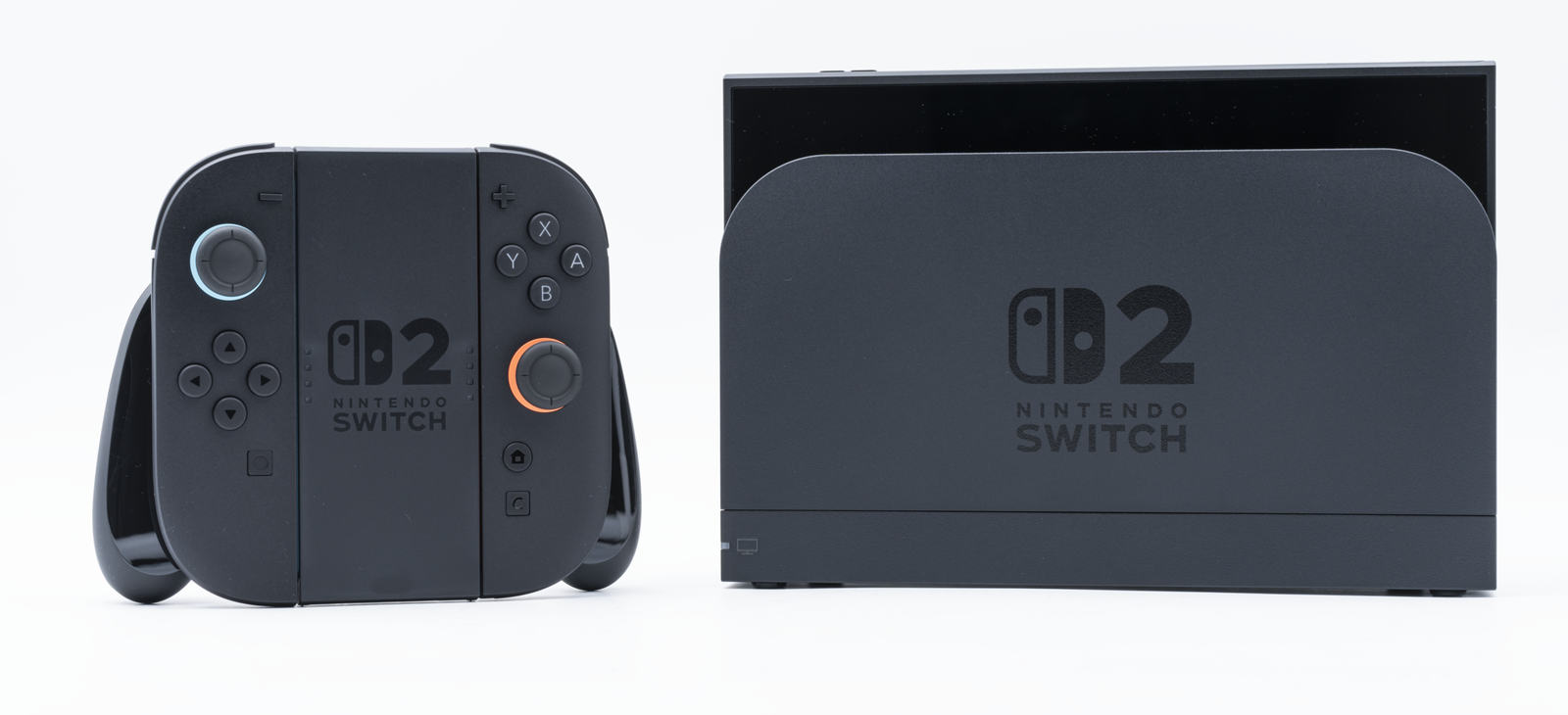
While Sony prepares to walk away from physical game discs, Nintendo is planting its flag firmly on the other side. In an interview at the Brasil Game Show 2026, Nintendo of Latin America’s vice president and general manager Bill van Zyll confirmed the Switch 2 maker has no intention of abandoning physical media — a stance that puts it directly at odds with its biggest rival. Related reading on our site.
“No Plans to Ditch Physical”
“Historically, we’ve been very agnostic. We go off what the consumer prefers and take that into account very heavily,” van Zyll told Brazilian YouTuber Coelho no Japão, as reported by Notebookcheck. “We’re barely just over a year into the Nintendo Switch 2. It’s got both digital and physical capability. There’s no plans to ditch physical. We know how much the fans like it as well.”
The timing is pointed. Back in July, Sony announced it would stop manufacturing PlayStation game discs from January 2028, citing consumer trends — a move that triggered months of backlash from players worried about ownership, resale rights and long-term access to their purchases. One report noted that just seven PlayStation games sold more than 100,000 physical copies in the US this year, underscoring how far the shift has gone.
Why Nintendo Is Different
Nintendo’s audience has always skewed far more physical than PlayStation or Xbox gamers, and van Zyll noted the preference is especially strong in Latin America, where players value collecting, sharing and reselling cartridges. Even Nintendo’s controversial Game-Key Cards — physical cartridges that act as download keys rather than storing the game — can be lent, traded or resold, unlike ordinary download codes.
Microsoft, meanwhile, has stayed neutral on whether its next-generation Project Helix Xbox devices will support discs at all, leaving Nintendo as the only console maker actively reassuring physical collectors.
The Ownership Economy
The dispute taps into a much larger anxiety about digital ownership. Across the industry, players have watched delisted games vanish from digital stores and licensing disputes lock them out of purchases they believed were theirs. Physical media remains the only format where “buying” unambiguously means owning — and a thriving second-hand market, from retro shops to online resellers, keeps billions in value circulating among fans rather than platforms. Nintendo’s Game-Key Cards drew criticism precisely because they blurred this line, and the company’s reassurance now reads as a correction: the cartridge, whatever it contains, stays yours to sell.
The Business Takeaway
This is a textbook case of differentiation through customer obsession. Where Sony sees a cost center in disc production, Nintendo sees loyalty: physical buyers are its most committed fans, and keeping them happy costs relatively little against the goodwill it buys. For any business watching a rival abandon a legacy format, the lesson is to ask not what the industry trend says, but what your customers actually prefer — as NME’s coverage notes, Nintendo even adjusted physical-versus-digital pricing earlier this year to reflect the different costs honestly. In a market racing toward all-digital, the company betting on choice may end up owning the most passionate segment of all.