



China has a debt problem hiding in plain sight \u2014 and the world’s second-largest economy is paying for it at a pace that now exceeds its own growth. New data shows debt servicing has become Beijing’s fastest-growing budget obligation, even as the central bank races to stockpile gold at a record clip. Related reading on our site.
One-Fifth of the Budget Goes to Interest
According to the Conference Board, debt servicing now consumes 19.2 percent of China’s central government general public budget in 2026 \u2014 up from 12 percent in 2014 and the highest on record, TokenPost reports. Interest spending has surged 341 percent between 2013 and 2025, the fastest-growing category in the national budget, while total public spending rose just 102 percent. A separate estimate from the Center for Strategic and International Studies puts nearly 19 percent of spending earmarked for interest payments, versus 14 percent in the United States and 25.6 percent in Japan.
The numbers keep climbing. Beijing plans to spend RMB 8,739.9 billion on interest this year, up 6.7 percent from 2025, with the deficit projected at RMB 58,900 billion \u2014 roughly 4 percent of GDP \u2014 while the government targets growth of just 4.5 to 5 percent. In other words, the debt load is expanding faster than the economy meant to service it, a classic tightening spiral that analysts say could drain resources from public services, infrastructure and pensions for years.
The Gold Rush Next Door
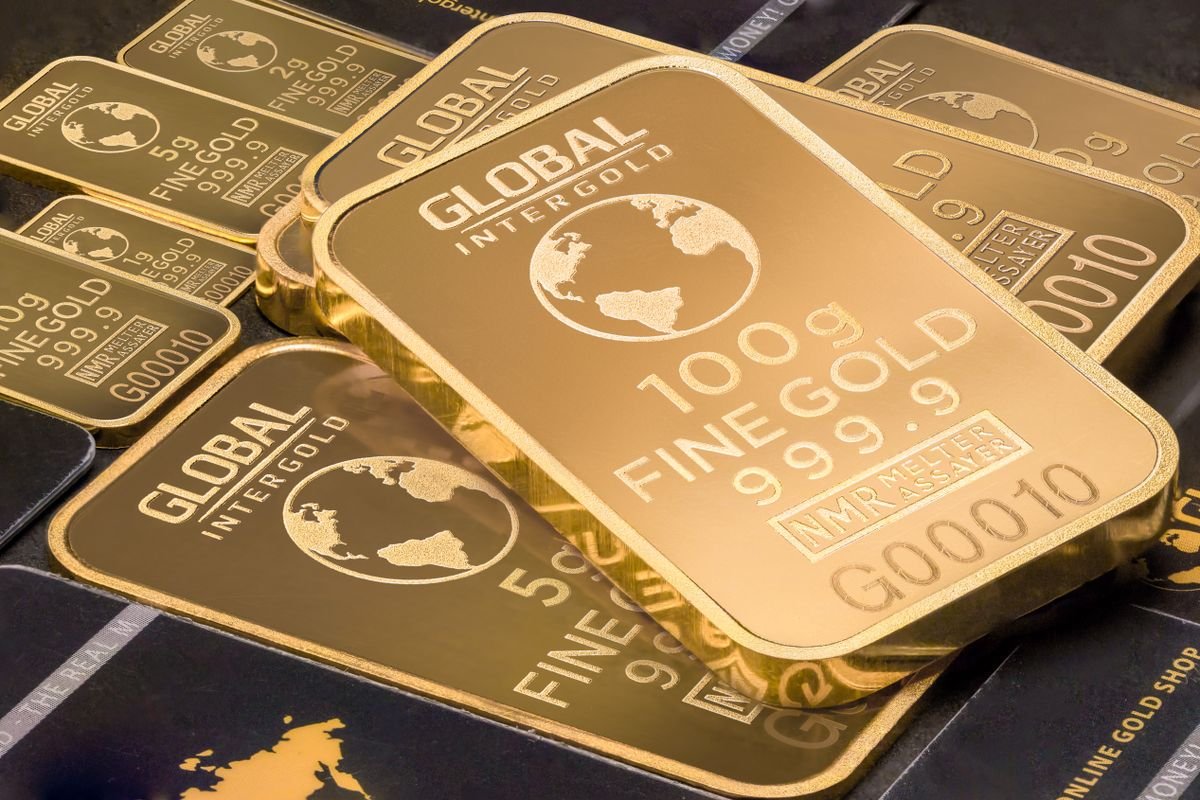
Meanwhile, the People’s Bank of China is buying gold like never before. The central bank added 740,000 ounces \u2014 about 23 tonnes, worth roughly $3.1 billion \u2014 to its reserves in September, according to First Gold. That marks the 23rd consecutive month of purchases, the longest such streak on record, and the largest single-month buy since September 2023. Total holdings now stand at 77.47 million ounces, or about 2,410 tonnes, even as China’s foreign exchange reserves slipped by $38.1 billion to $3.4003 trillion.
The timing is notable: September was gold’s worst month in years, with prices falling 6.5 percent. The PBOC bought the dip \u2014 consistent with a World Gold Council survey finding that 45 percent of central banks expect to increase their gold holdings this year.
What It Means for Business Readers
Two signals, one story. Beijing is quietly acknowledging fiscal stress by locking up hard assets, a classic hedge against currency and credit risk. For companies exposed to China, the message is to plan for tighter fiscal space \u2014 slower government spending, more selective stimulus, and continued yuan volatility. For investors, the steady central-bank bid under gold prices is one of the strongest structural supports in the market. When the world’s biggest official buyer treats a 6.5 percent selloff as a shopping opportunity, retail investors may want to pay attention.
1 Comment
Pingback: US Oil Trader PIF Energy Plans $2 Billion Tanker Fleet as Carriers Shun Hormuz - Weekly Business Records