



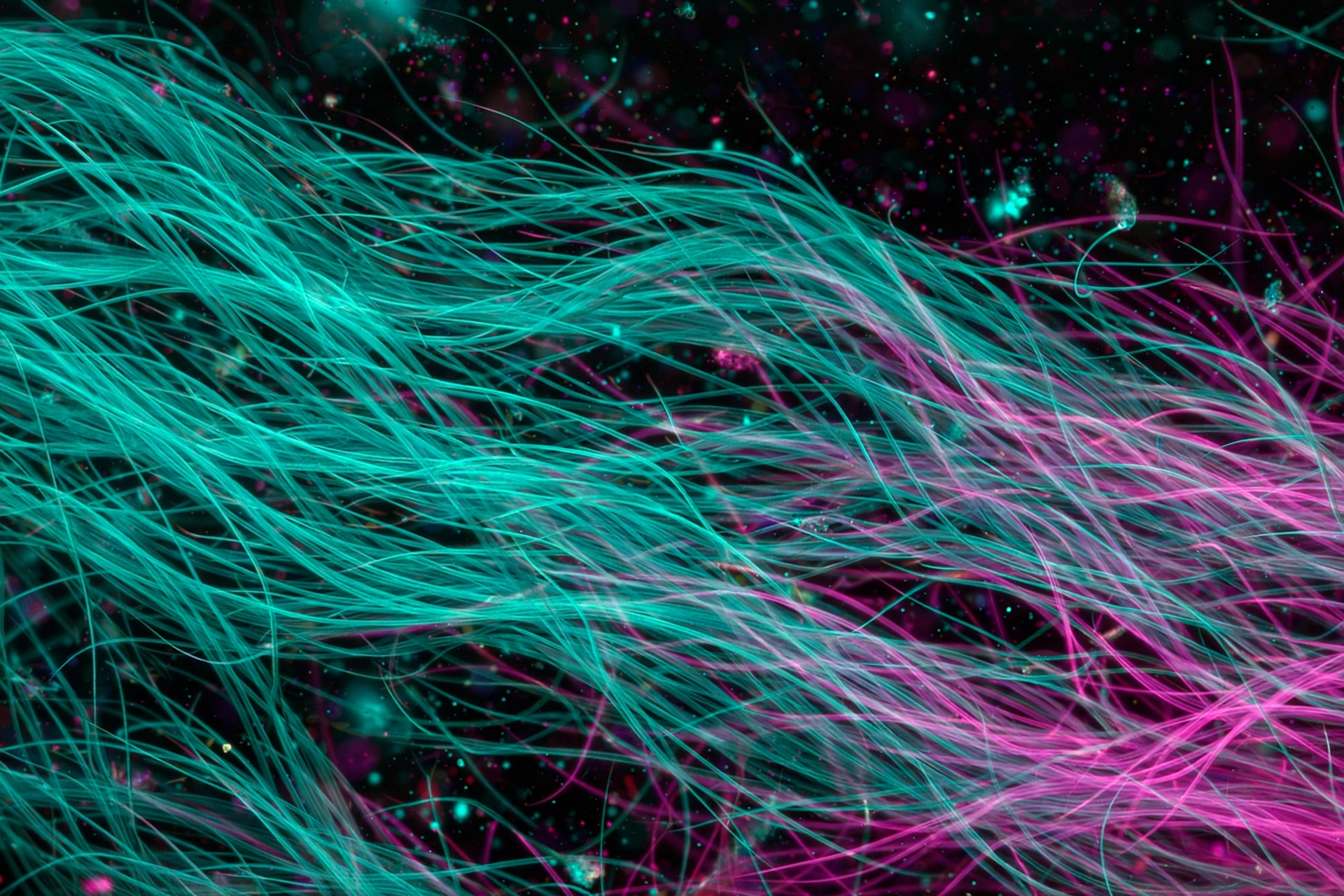
A stunning video of microscopic hairs beating inside a child’s airway won one of science’s most prestigious imaging prizes last month. This week, the prize was taken away: Nikon disqualified the winner of its Small World in Motion competition after concluding the footage broke the contest’s rules on generative AI.
From Triumph to Investigation
Dr. Ning Xu of Tsinghua University was named the winner in September for a video capturing airway cilia — tiny hairlike structures — in a child living with primary ciliary dyskinesia (PCD), a rare genetic disorder. But when Nikon posted the video, scientists quickly cried foul. University of Florida associate professor Edward Phelps noted “many serious problems,” including structures that popped in and out of existence and cilia that did not match known sizes. Other experts, including former competition judges, raised similar doubts.
Xu acknowledged using AI — reportedly an unsupervised neural network — in post-processing to make features more distinct, while maintaining he had not broken the rules and that the underlying imagery was genuine.
Nikon’s Verdict
After re-evaluating the video and consulting its judging panel, Nikon announced that the entry “did not comply with the competition rules regarding generative AI,” as reported by TechSpot. The company stressed the decision was about rule compliance, not a judgment on Xu’s reputation or scientific contributions — and said it would revisit its rules and evaluation procedures for future competitions. The top prize now goes to Nguyen Nam Nhat of Vietnam, for a video of a tiny roundworm alongside a single-celled Dileptus organism.
The Bigger Picture: Trust in the Age of AI Imagery
This is not the first AI authenticity scandal in creative competitions — AI-generated works have previously won art prizes in Colorado and Australia — but it cuts deeper in science, where images are evidence. The episode is a case study in a problem every business now faces: when AI tools can fabricate convincingly, verification becomes the product. From research that shapes economic policy to marketing imagery, the premium is shifting from creation to credibility.
For contest organisers, brands and publishers alike, the lesson is the same one Nikon just learned the expensive way: write the AI rules before the controversy, not after — and build detection into the process, because the audience certainly will.
6 Comments
Pingback: Your Website's Security Certificate Is About to Expire Faster: What the 64-Day Rule Means for Business - Weekly Business Records
Pingback: Q3 Earnings Week: Wall Street Braces as Big Banks Report and Inflation Data Lands - Weekly Business Records
Pingback: China's Debt Servicing Hits Record 19.2% of Budget as Gold Buying Extends 23rd Month - Weekly Business Records
Pingback: Nintendo Has 'No Plans to Ditch Physical' Games as Sony Walks Away From Discs - Weekly Business Records
Pingback: TypeSafe AI Raises $870M at $7.5B Valuation Weeks After Launching 'Jev' Model - Weekly Business Records
Pingback: Manus Raises $500M+ After Beijing Killed Its $2 Billion Meta Deal - Weekly Business Records